



Last Updated: November 14, 2026
Quick Summary
Before buying a whiskey cask for sale, confirm in writing that you hold full legal title to one identifiable cask, not a share, and check the bulk litres, fill date, warehouse location and title documents. Storage, insurance and duty costs sit on top of the headline price, so budget for them.
- A cask share gives you no control over bottling and can be hard to exit.
- Ask for fill date, fill strength and current bulk litres together, not separately.
- The warehouse keeper must record the change of owner and confirm the cask reference.
- Duty is suspended in bond but payable on release, based on strength and volume.
- Evaporation means the cask will hold less liquid when you come to bottle it.
Thinking about buying a whisky cask?We guide buyers through cask selection, ownership terms and honest risk, with no inflated promises.
Table of Contents
- Why a Whiskey Cask for Sale Deserves a Closer Look
- Cask Type, Capacity and What You Actually Own
- Whisky Cask Maturation: Time, Wood and Angel’s Share
- Whisky Cask Investment Risks Nobody Should Skip
- How to Sell a Whisky Cask Without Losing Your Shirt
- Enquiring About a Cask with GreatDrams
- Frequently Asked Questions
Why a Whiskey Cask for Sale Deserves a Closer Look
A whiskey cask for sale is not a bottle with a longer shelf life.
Plenty of people get this wrong. Some buy on price alone and discover later that the cask was never theirs in any meaningful sense.
The Scotch Whisky Association is blunt about the limits here. It states it cannot advise on buying or selling casks as an investment and does not regulate the market.
Below, we walk through the checks worth making before handing over any money.
Cask Type, Capacity and What You Actually Own
The cask type decides what the whisky tastes like in ten years. The ownership terms decide whether you can do anything about it.
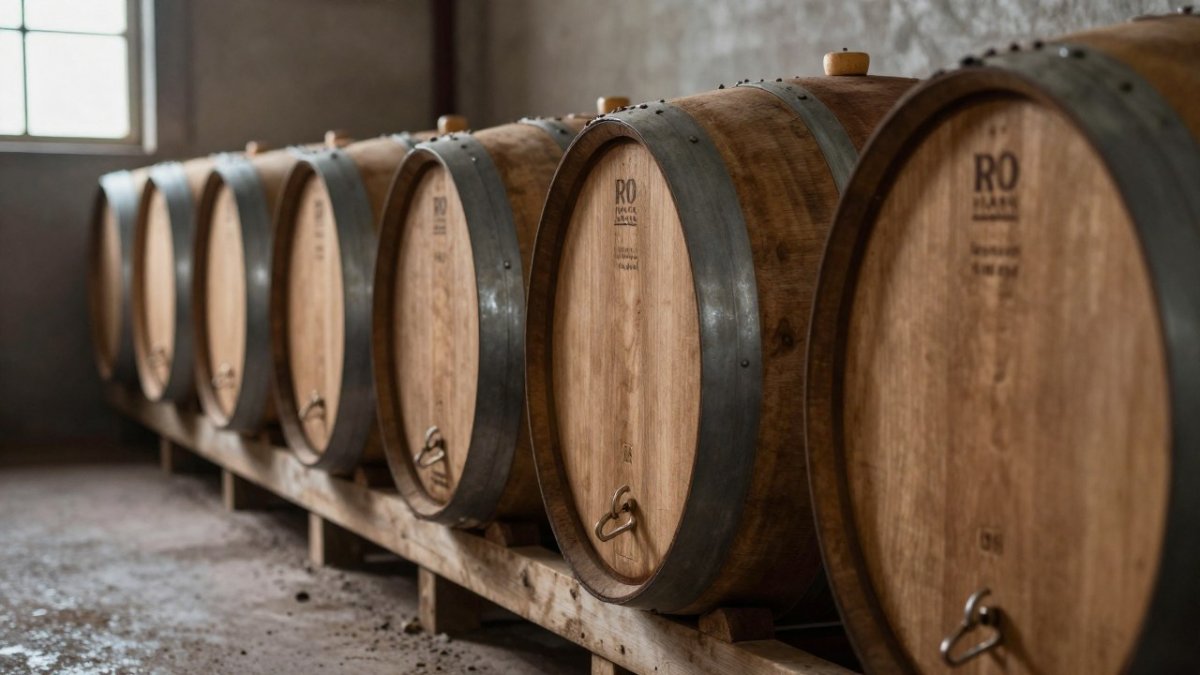
Cask type refers to the barrel’s previous contents and size. Cask ownership means you hold legal title to a specific, identifiable cask, not a promise of whisky at some future date.
Bourbon, Sherry, Hogshead and Beyond
Whisky sold as a cask often starts life in an ex-bourbon barrel, and capacities vary by cooperage practice, so ask for the actual capacity rather than relying on a category average.
The previous contents leave a fingerprint. Sherry casks add dried fruit and spice. The art and expertise of whisky barrel charring shows how charring affects maturation before you commit to a cask. Refill casks are quieter, which is not a criticism; a tired cask can let the spirit speak rather than the wood. Four unique whisky cask finishes give real examples beyond the standard bourbon and sherry options. Our guide to how barrel charring shapes a whisky explains why the toast and char inside the cask change colour, aroma and texture, not just flavour.
Capacity matters for a second reason. The number on the listing is the cask’s volume, not the volume of whisky inside it. A 250-litre hogshead filled to the brim does not stay full, and the gap between headline capacity and bulk litres is where expectations quietly go wrong.
Bulk Litres, Cask Share and Warehouse Terms
Here is where buyers get caught. A cask share is a fraction of a cask, sold to several people at once. You do not control bottling decisions, and you may struggle to exit.
Ask three questions in writing: how many bulk litres does this cask hold, where is it stored, and who holds the title documents. If the seller cannot answer all three, walk away. Our proof of ownership guide covers the paperwork you should expect to see.
Bulk litres are the honest measure. A cask filled with new-make spirit at a given strength will hold a calculable amount of pure alcohol, and that figure, not the cask size, is what a bottler or broker will eventually value.
New-Make Spirit Versus Maturing Whisky
A cask for sale is usually one of two things. It is either filled with new-make spirit that has just gone into the warehouse, or it holds whisky that has already spent years maturing. The difference changes everything about the price and the risk.
New-fill casks are cheaper and give you the full maturation period to watch. They also carry the longest wait and the most uncertainty, because you are buying potential rather than track record.
Watch out: a listing that quotes an age but not a fill date is giving you a number you cannot verify, and age statements in cask sales are not policed the way they are on a bottle.
What Legal Ownership Actually Involves
Owning a cask is not like owning a bottle. The cask sits in a bonded warehouse under excise control, and it cannot simply be collected and driven home.
A proper transfer involves the seller, the warehouse and you. The warehouse keeper records the change of owner, issues or endorses a warehouse receipt, and confirms the cask reference.
This is also where VAT and duty questions surface.
Storage, Insurance and Ongoing Care
A cask needs a home, and that home charges rent.
Ask what happens when the included storage period ends, who arranges insurance and at what level, and whether you can move the cask to another warehouse.
Sampling is the other practical question.
Before you hand over any money, get these ownership and capacity facts straight in writing.
| Item | What to check | Why it matters |
|---|---|---|
| Cask type | Previous contents and size | Decides what the whisky tastes like |
| Capacity | Actual capacity, not category average | Listing volume is not whisky volume |
| Bulk litres | Fill date, fill strength, current bulk litres | The honest measure a broker values |
| Cask share | Fraction of a cask sold to several people | No control over bottling, hard to exit |
| Full ownership | Cask number, fill date, warehouse location | Title to one identifiable vessel |
| Title documents | Seller, warehouse and you confirm transfer | Ownership must appear in warehouse records |
| Storage and insurance | What is included, for how long | Costs reappear once the period ends |
| Sampling | Whether the warehouse permits it | A seller who refuses is asking you to buy blind |
Whisky Cask Maturation: Time, Wood and Angel’s Share
Maturation is the years a spirit spends in oak before bottling. It cannot be rushed, and it cannot be reversed once a cask is opened.
Whisky cask maturation depends on three things: the wood, the warehouse conditions and time. A cool, damp warehouse slows the process and favours the spirit. A warm, dry one accelerates evaporation and concentrates flavour.
That evaporation has a name.
Plan for a realistic holding period. A realistic holding period is worth planning for before you buy.
Whisky Cask Investment Risks Nobody Should Skip
Cask ownership is not a regulated investment product. There is no compensation scheme, no ombudsman, and no guaranteed buyer at the end.
Treat any projection of returns as marketing until proven otherwise. A broker quoting a future value is guessing, and often guessing generously to close a sale. The honest version of the conversation starts with the costs you will definitely pay, not the return you might one day see.
The Full Cost Stack, Not Just the Headline Price
Most cask listings show one number. The real cost of ownership is a stack, and every layer needs to be written down before you sign.
The purchase price is the obvious one. Less obvious are storage, insurance, sampling fees, transfer or administration charges when ownership changes, and the cost of bottling when the time comes.
Ask for every one of those figures in writing, with the period each one covers.
Yield and Bottling Economics
The cask you buy today will not hold the same volume when you come to bottle it. Evaporation takes its share every year, and the rate depends on warehouse conditions, cask size and time.
Bottling strength matters too. Whisky drawn at cask strength yields fewer bottles than the same volume diluted to a lower strength, and the choice affects both the bottle count and the character of the final product.
A sensible exercise is to model the low end, not the high end.
Due Diligence and Fraud Prevention
Fraud in this market usually looks like paperwork, not a fake cask. Common warning signs:
- No cask number, fill date or distillery name on the documents
- Pressure to pay quickly or through unusual channels
- A “guaranteed” buy-back at a fixed future price
Ask for the cask’s unique reference, confirm the warehouse independently, and get storage and insurance terms in writing before signing anything. If a seller resists any of that, that is your answer.
A practical checklist covers title, warehouse receipt, cask identification, insurance, seller verification and the transfer procedure. Each one should be confirmable by a third party, not just by the person selling to you.
Illiquidity and Realistic Returns
A cask is an illiquid asset. There is no exchange, no daily price, and no guarantee that a buyer exists when you want to sell.
Returns depend on factors outside your control: the distillery’s reputation, the cask type, the age at sale, the condition of the spirit and the wider market at the time.
Watch out: a projection that ignores storage, insurance, duty and bottling costs is not a return, it is a gross figure dressed up as a net one.
Tax, Regulation and Getting Advice
Duty and VAT treatment on cask purchases and releases depends on the circumstances, and the rules are not designed with the casual buyer in mind.
This is not a reason to avoid the market. It is a reason to take qualified advice before committing, and to keep every document in one place. Careful buyers treat the paperwork as seriously as the whisky.
How to Sell a Whisky Cask Without Losing Your Shirt
Selling well comes down to documentation and patience.
Start by gathering the original purchase invoice, warehouse receipts and any sampling records. Then decide your route: sell privately, sell back through a broker, or bottle it yourself and sell the bottles.
Bottling changes the economics. You take on duty, packaging and labelling costs, but you gain a finished product.
Enquiring About a Cask with GreatDrams
We do not publish cask prices, because they depend on the distillery, the cask type, the age and what is included.
We are happy to talk you through the options, including the ones that may not suit you. Our limited edition whisky releases and brand NPD and consulting work are also built around getting the liquid and the story right.
If you want to understand the whisky first, book a whisky tasting and taste for yourself before you commit.
Buying a cask is a long game, and the people who do it well are the ones who asked awkward questions early.
Frequently Asked Questions
Can you buy a whisky cask in the UK?
Yes, though it is not a shop-shelf purchase. Most casks are sold direct from the distillery, through an independent bottler or via a cask broker, and they usually stay in a bonded warehouse under the seller’s or warehouse’s care. Before committing, ask for written confirmation of what you own, where the cask is stored, who holds the title and what happens at bottling. The Scotch Whisky Association says it cannot advise on buying or selling casks as an investment and does not regulate the market, so the paperwork is your protection.
What do you actually own when you buy a whiskey cask?
It depends entirely on the contract. Some buyers own a whole cask outright, others own a share or a set number of litres from a larger cask. Whisky cask ownership should be documented clearly: the cask reference, the distillery, the fill date, the cask type and capacity, the bulk litres recorded at filling, storage arrangements and insurance. Ask whether the cask is held in your name or in the seller’s, and get the answer in writing before any money changes hands.
How much does a whisky cask cost?
There is no single figure. Price depends on the distillery, the age, the cask type, the remaining bulk litres and whether you are buying a whole cask or a share. Always ask what the price includes: storage, insurance, sampling, bottling and duty are often charged separately, and those extras change the real cost considerably.
Can you sell a whisky cask after buying it?
You can, but it is not a quick exit. Casks are illiquid, and how to sell a whisky cask depends on your contract, the warehouse terms and finding a buyer willing to take on storage and bottling costs. Some owners sell back to a broker or bottler, others bottle and sell the whisky themselves. Plan your exit before you buy, check whether the seller offers any buy-back arrangement, and treat any promised return with scepticism until it is written into the agreement.







-

GreatDrams Whisky Pouch 50ml Multiple Options Available
Price range: £8.00 through £20.00