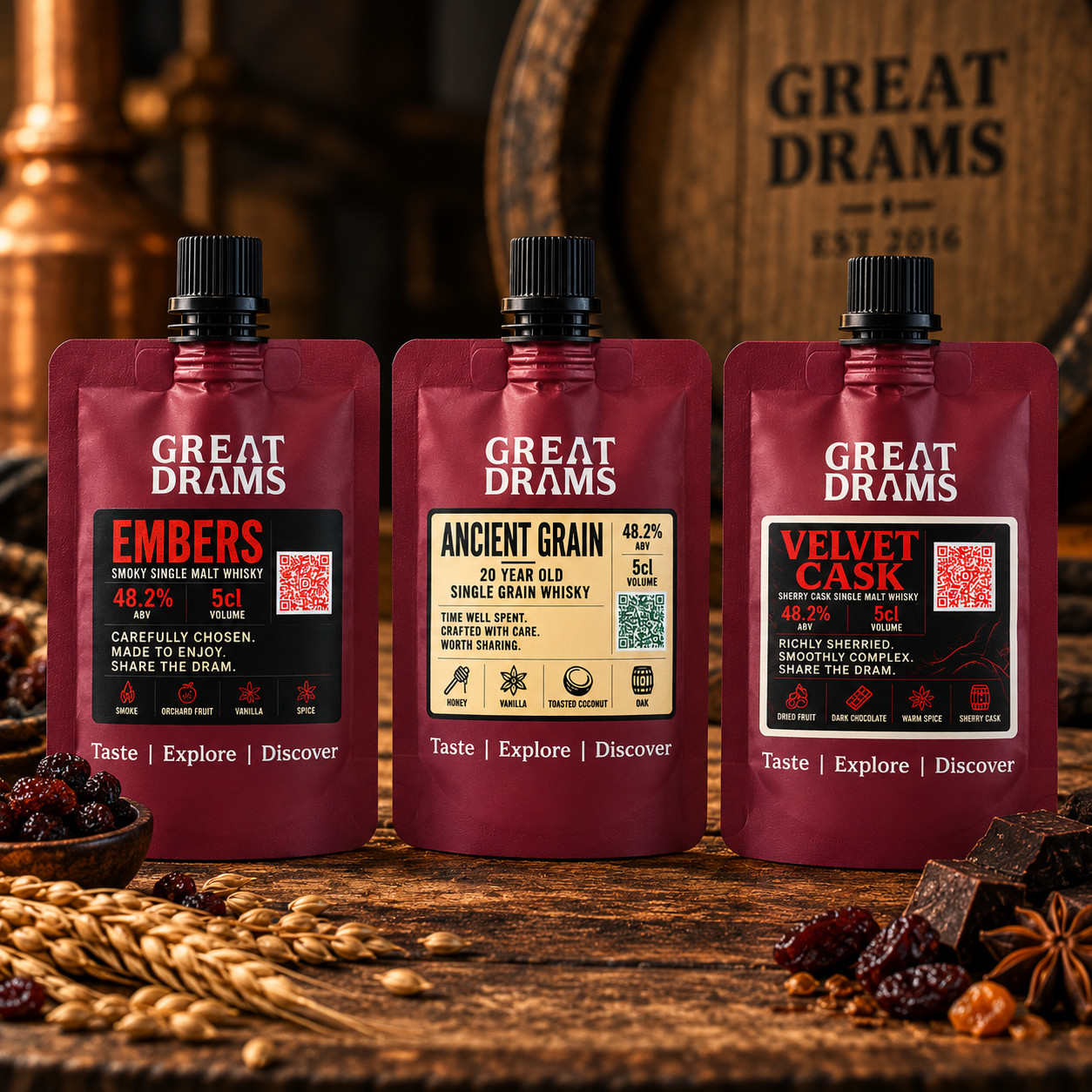
For today’s topic, we’re looking at English, Irish, Welsh, and Scotch whisky. It almost sounds like the setup for a cheesy joke, doesn’t it? But no, there’s no jokes here. Today, we’re celebrating whisky/whiskey in all its glory and are looking at how the good stuff varies across the Home Nations.
What I love about the whisky/whiskey produced here in the UK and Ireland, other than the delicious flavour, is just how different it is and how much it varies. Irish whiskey for example, offers up a completely different drinking experience to Scotch. Even Scotch itself varies hugely across the different whisky regions of Scotland, so you can imagine how different it is to whisky produced in a different country.
While Scotch and Irish whiskey may steal the majority of the headlines here in the UK, there’s also a growing market for Welsh and English whisky. English whisky in particular, is seemingly enjoying a boom period, and with names like Wire Works, Filey Bay, The Lakes Distillery, and The Cotswolds Distillery, its no surprise. Wales, of course, has Penderyn, along with Aber Falls, so the fanbase is definitely there also.
Here’s a look at how whisky differs across the Home Nations.
Scotch Whisky
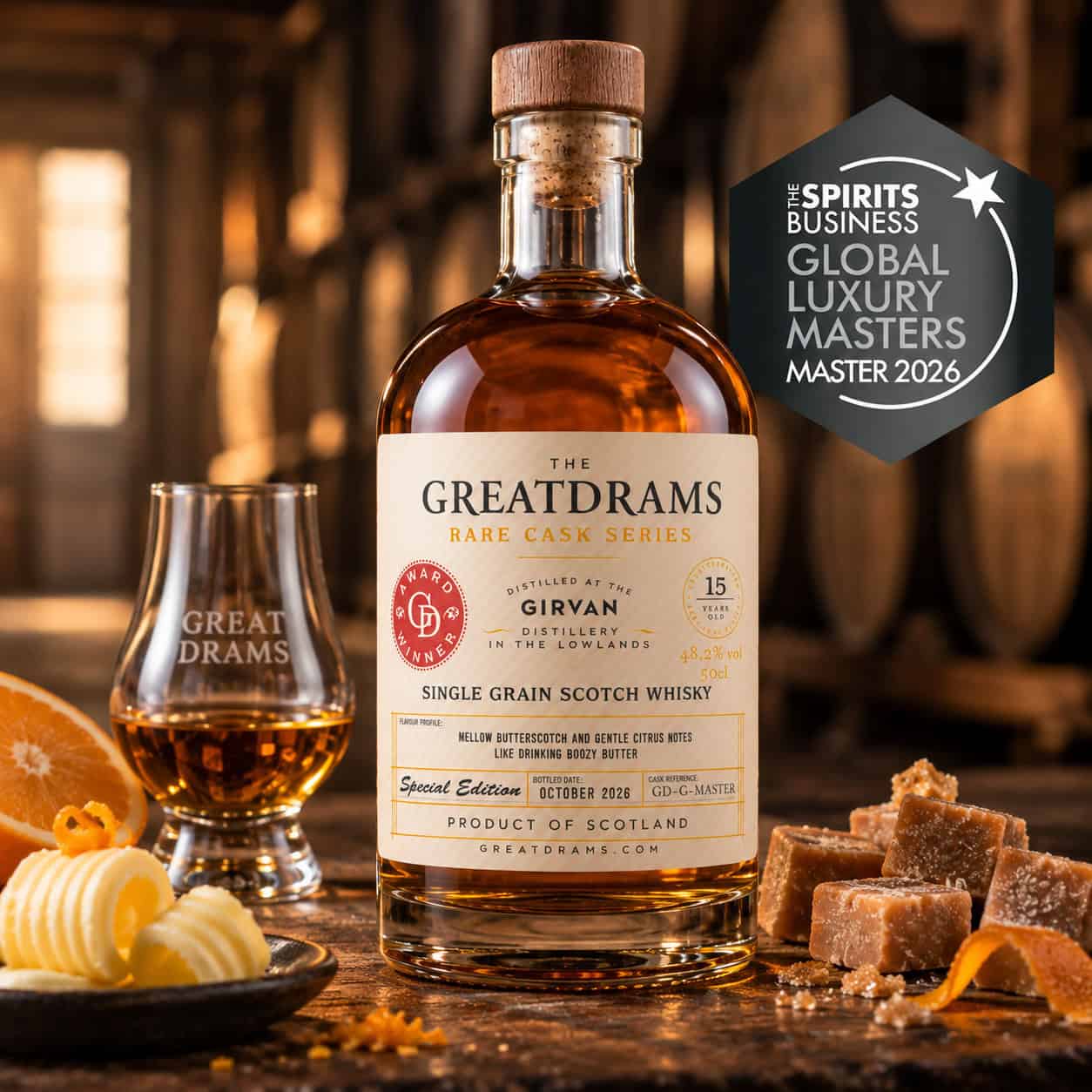
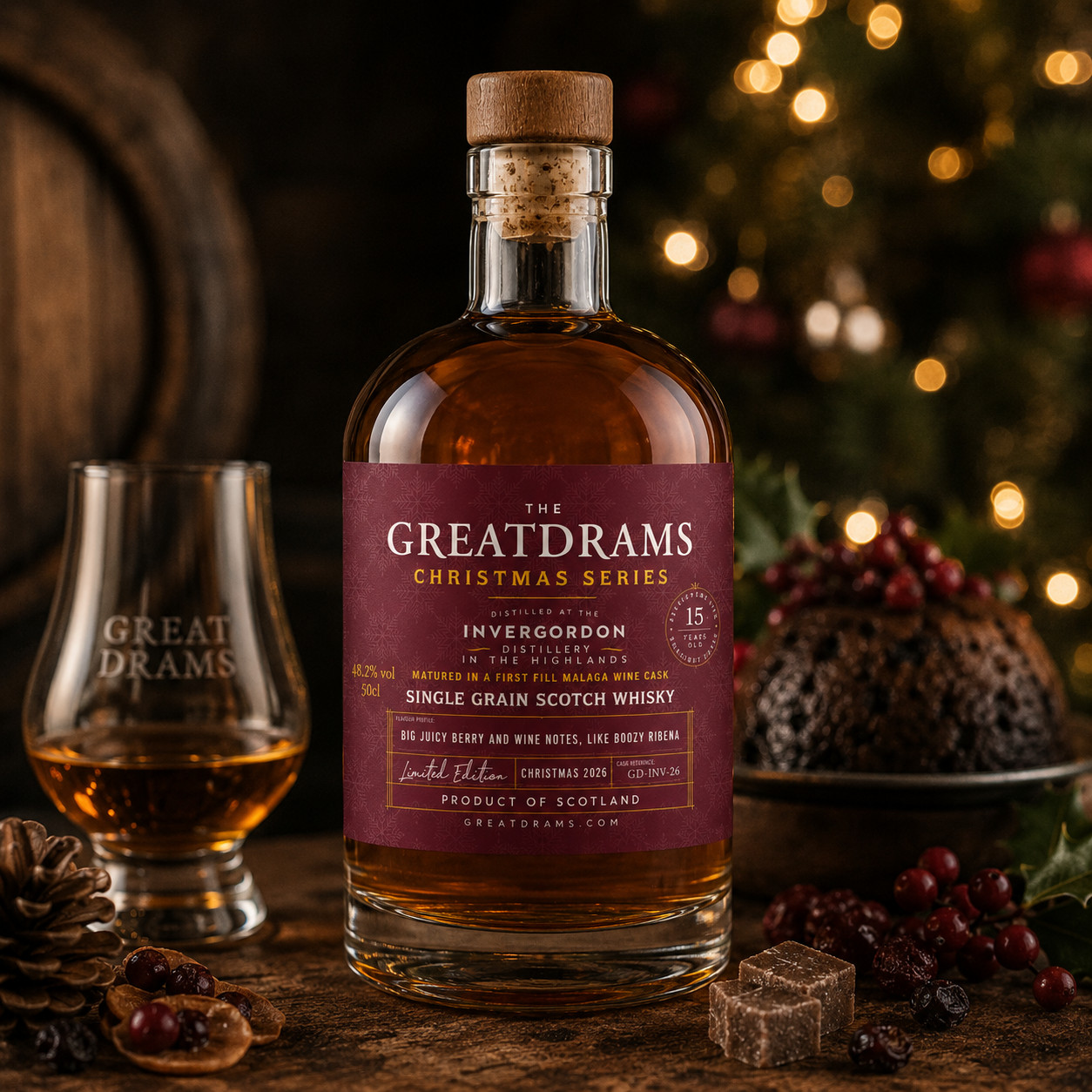
If you’re familiar with the GreatDrams brand, you’ll know what we’re all about and you’ll know why we’re starting off with Scotch whisky first.
Scotch whisky can be categorised as: single grain, single malt, blended malt, blended Scotch, and blended grain. Malted barley is the grain of choice for single malts, though some grain whiskies may use other grains such as corn, wheat, or even rye.
Legally, Scotch whisky must be distilled, aged, and produced in Scotland. It has protected status which means that whisky produced anywhere else on the planet cannot call itself Scotch. It’s the same reason why pasties produced outside of Cornwall cannot call themselves Cornish pasties.
Scotch whisky must also adhere to a wide range of other regulations. For example, it needs to age for at least 3 years in oak casks and when bottled, must have an ABV of at least 40%. Anything less, and it must be marketed as a ‘spirit drink’ or something similar. Basically, if the ABV is less than 40%, it cannot be sold as whisky.
While 3 years is the minimum required duration of time for aging, a lot of distilleries will age their whiskies for much longer to develop more complex characteristics and deeper flavours and notes.
Scotland is home to five official whisky regions, though many also consider the ‘Islands’ region to be the sixth. Officially however, there are only five. These regions are:
- Speyside
- Highlands
- Lowlands
- Campbeltown
- Islay
Scotch whisky produced in different regions has different characteristics. Islay whiskies for example, are usually heavily peated and feature prominent smoky notes. There’s also a distinct briny, maritime character to them, due to their coastal location.
Lowlands whiskies are lighter and more floral, whereas Speyside, which is the most concentrated whisky region, has fruity, sweeter, creamier whiskies. Basically, because different whisky regions produce such different drams, Scotch whiskies can taste sweet and fruity, smooth and creamy, light and floral, strong and smoky, and everything else in between. This is why I always encourage people who aren’t sure whether they enjoy Scotch, to try different drams from different regions. Chances are if they find an Islay expression too harsh, a light and floral Lowland dram could be just the ticket.
Honestly, there’s so much more I could say about Scotch, but as I want to keep this post relatively short, I’ll leave it there for now.
Irish Whiskey
Up next, we’re venturing to the Emerald Isle to find out more about Irish whiskey.
Other than how it’s spelled (note the ‘e’ in whiskey), Irish whiskey is generally considered to be smoother than Scotch, and perhaps slightly less harsh and fiery. It can be categorised as: single grain, single malt, blended Irish whiskey, and single pot still.
Like Scotch, Irish whiskey must also adhere to certain regulations, as laid out by the IWA (Irish Whiskey Act) including the fact that it must be produced in Ireland, and in the case of blended whiskey, it must contain at least two different types of whiskey (grain, pot still, or malt).
Perhaps the biggest difference between Irish and Scotch, however, is the distillation. Irish whiskey often undergoes a triple-distillation process. Contrary to popular belief, regulations don’t dictate that Irish whiskey must be triple-distilled. Instead, distilleries often choose to produce it this way as triple distilling the whiskey helps give it that signature silky smooth, lighter finish we’ve come to expect from Irish expressions.
Like Scotch, Irish whiskey must age for at least three years in wooden casks, though again, distilleries often choose to age the drams for much longer. Common tasting notes associated with Irish whiskey include:
- Caramel
- Honey
- Vanilla
- Spice
- Fruit
English Whisky
Now comes the time for us to explore English whisky in more detail.
One of the primary reasons why English whisky stands out is because producers get to enjoy slightly more creative freedom when producing their drams.
Unlike Scotch, English whiskies are not subject to specific regulations. Because of this, English whiskies are quickly gaining a reputation for being amongst the most innovative in the industry. Distilleries can exercise creative freedom when it comes to aging and finishing, in terms of cask selection, mash bills, still type, ingredients, and duration.
Obviously, it isn’t anywhere near as revered as Scotch, but English whisky is growing in popularity. There are several English whisky distilleries that I’m a big fan of. In the heart of the gorgeous Peak District for example, The White Peak Distillery continues to put out exceptional drams. Their Wire Works Port Cask Whisky for example, is popular amongst whisky enthusiasts and casual drinkers alike. The Cotswolds Distillery is another prominent name in English whisky thanks largely to their signature single malt, as is The Lakes Distillery and The English Distillery.
Today, there are more than 61 English whisky distilleries in operation, with more on the way. If I had to describe English whisky, I’d say it’s a combination of Irish whiskey and a single-malt Scotch from Speyside, along with its own unique traits. Despite being so close to Scotland, England’s climate and terroir is also different. It’s slightly more variable which can lead to faster maturation times. The soil in different counties can also differ vastly, which in turn can alter the flavour profile of the malted barley used to produce the whisky.
Welsh Whisky
And finally, last but certainly not least, we have Welsh whisky.
Like English whisky, Welsh whisky is also considered to be more experimental as it is not subject to rules or regulations.
There are currently less than 10 whisky distilleries in Wales, with Penderyn proving to be the most prominent. When you think of Welsh whisky, 9 times out of 10, Penderyn is the name that immediately springs to mind. Aber Falls is probably the second-most prominent name in Welsh whisky production.