


Last Updated: 4 November 2026
Quick Summary
A limited edition whisky is worth collecting only when scarcity is verifiable, the distillery has genuine standing and you can buy at or near release price. Most limited releases do not appreciate, so treat any gain as a bonus rather than a plan.
- No hard rules govern what counts as a limited edition, so the badge alone tells you little.
- Value a bottle on completed auction sales for the same expression, year and condition, not asking prices.
- Deduct buyer’s commission, seller’s commission, shipping, insurance and any tax due to get true resale value.
- Store bottles upright in the dark at a steady cool temperature and keep the original tube or box.
- If you cannot answer all five questions with confidence, buy the bottle to drink.
Table of Contents
- What Makes Whisky Collectable
- How to Value a Whisky Bottle and Judge Whisky Bottle Resale Value
- How to Store Whisky Bottles So They Hold Their Worth
- The Five Things That Actually Decide It
- Frequently Asked Questions
What Makes Whisky Collectable
There is no agreed definition of a limited-edition whisky, which is exactly why the label alone tells you almost nothing. Whisky Advocate’s guide to collecting limited-edition whisky makes the point plainly: no hard rules govern what counts as a limited edition. A run of 300 bottles and a run of 30,000 can both wear the same badge.
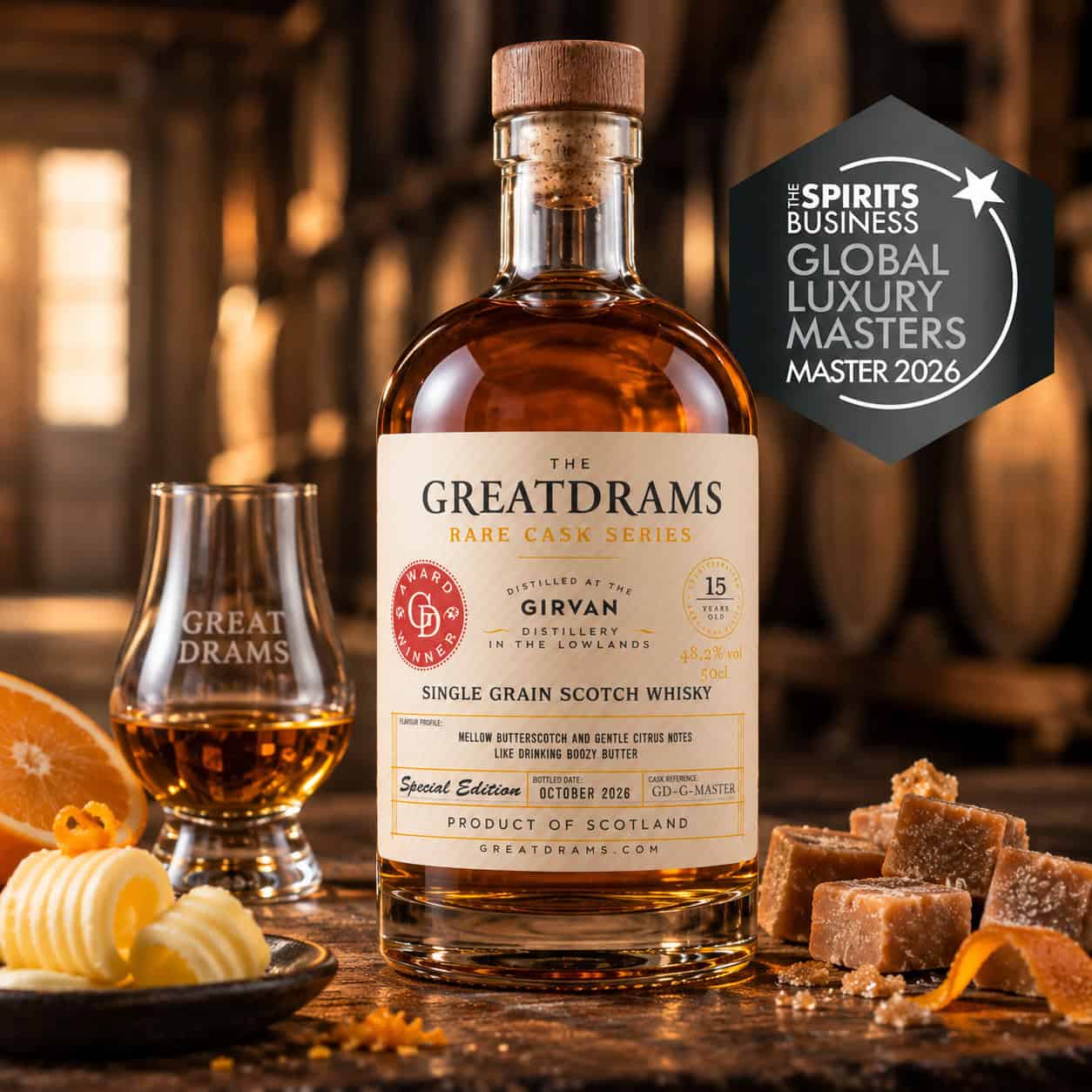
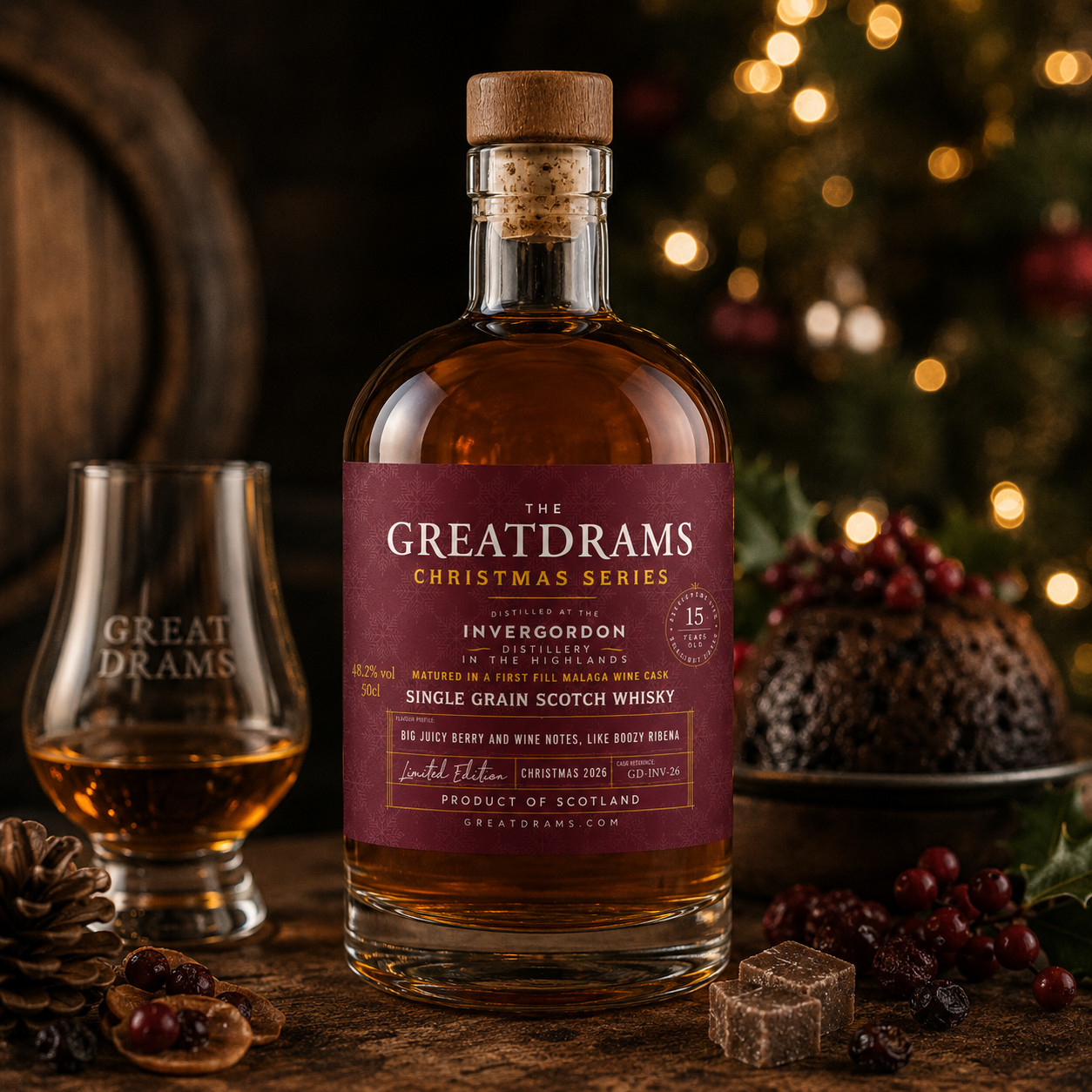
Four things matter: verified scarcity, distillery reputation, liquid quality and provenance. At GreatDrams, we bottle single casks and small batches, and we would rather you understood that hierarchy than bought on the word “limited” alone. Read more on the problem with the terms craft distilling and limited edition before you spend anything serious.
How to Value a Whisky Bottle and Judge Whisky Bottle Resale Value
Valuing a bottle starts with comparable sales, not what you paid. Check what the same expression, year and condition has actually sold for at auction recently. Asking prices are noise; completed sales are evidence.
| Cost | What it does to your return |
|---|---|
| Auction buyer’s commission | Takes a slice of the hammer price |
| Seller’s commission | Another slice, often tiered |
| Shipping and insurance | Paid by you, both ways |
A bottle that “doubled” in asking price can return very little once those are stripped out. Whisky bottle resale value is a net figure, never a gross one. Here is the honest reality check on how limited “limited” really is: limited edition whisky of how many?!
Explore our latest whisky releases here →
How to Store Whisky Bottles So They Hold Their Worth
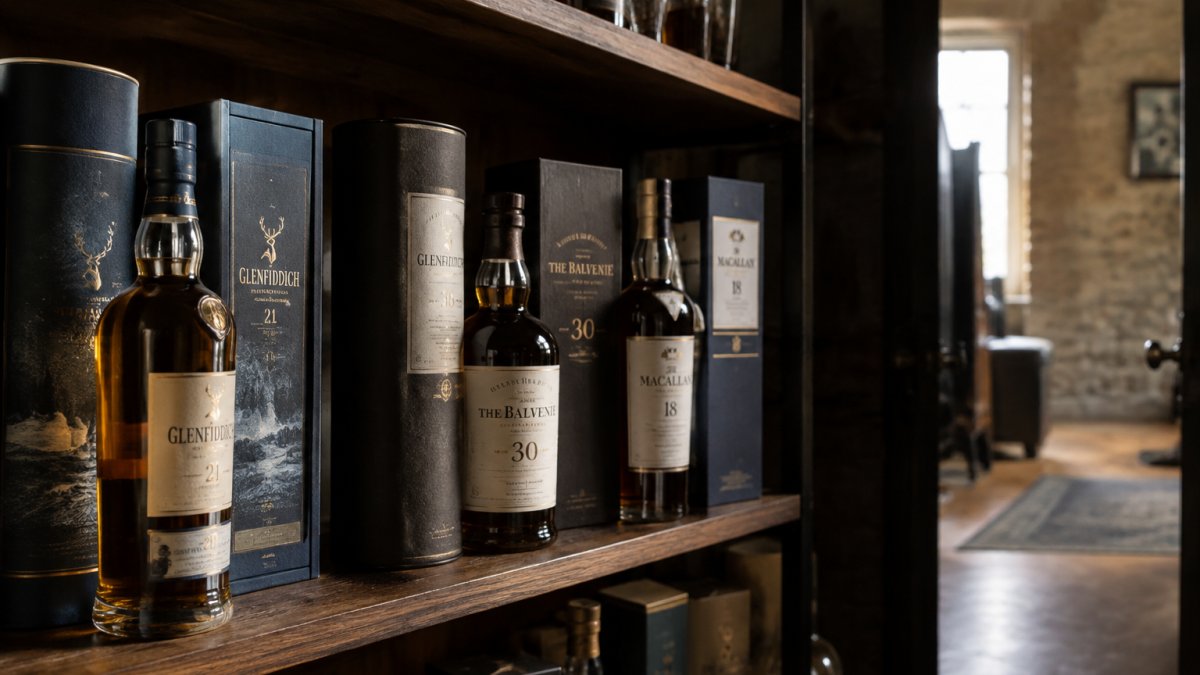
Store bottles upright, in the dark, at a steady cool temperature, away from heat and sunlight. Light fades labels, heat pushes spirit past the cork, and lying a bottle down lets high-strength spirit eat the closure. Keep the original tube or box, and check fill levels yearly on anything old. Our guide to enjoying and storing your whisky in the summer sun covers the seasonal risks in more detail.
The Five Things That Actually Decide It
Strip it back and the decision comes down to five questions: is the scarcity real and verifiable, does the distillery have genuine standing, is the liquid good enough to drink, can you buy at or near release price, and will you be happy if it is worth nothing more in ten years? If you cannot answer all five with confidence, buy it to drink. A limited edition whisky you actually open is worth more to you than one gathering dust as a failed investment.
Frequently Asked Questions
Are limited edition whiskies a good investment?
Usually not, and it is worth being blunt about that. A limited edition label does not guarantee appreciation, and industry discussion has long described whisky as a poor investment vehicle overall. Some bottles rise, many sit flat or fall below their purchase price. Treat a limited edition whisky as something to enjoy first and an asset second. If you do want to hold a bottle, pick on distillery reputation, genuine scarcity and cask quality rather than the word limited on the label.
How can you tell whether a limited edition whisky is genuinely rare?
Check the stated outturn, not the marketing. A single cask release usually gives a bottle count, sometimes only a few hundred. A special release might run to tens of thousands. Compare that number with how often the distillery releases similar bottlings. There is no agreed definition of limited edition, so the label alone tells you little. Verified production numbers, a named cask and a clear release date are the details that actually separate scarce from merely marketed as scarce.
Is it better to collect whisky or drink it?
Both can be right, just not for the same bottle. If you are buying for resale value, keep the original packaging, store it upright in a cool dark place and leave the fill level untouched. If you are buying to drink, open it and share it, because a bottle nobody opens is just stock. A sensible approach is to buy two of something you genuinely like where you can, open one and hold the other, so the decision never feels like a loss either way.
The uncomfortable truth is that most limited editions are ordinary whisky in a fancier coat, and the ones that hold value were usually worth buying on merit anyway. If you want bottles chosen for what is inside them rather than what the label promises, that is what we do. Browse our limited edition releases, or book a whisky tasting and taste before you commit. Get started with GreatDrams and collect whisky you will actually want to open.







-

GreatDrams Whisky Pouch 50ml Multiple Options Available
Price range: £8.00 through £20.00