


Last Updated: November 24, 2026
Quick Summary
A 200-litre cask of whisky typically yields between 230 and 285 bottles, depending on maturation time, bottling strength and evaporation. It is deliberately a range, not a number, because the angels’ share and your choice of bottling strength both shift the final count.
- A standard barrel holds roughly 200 litres, a hogshead around 250 and a butt nearer 500.
- Smaller casks lose proportionally more to evaporation because more liquid touches wood per litre.
- Bottling at reduced strength means adding water, which increases volume and bottle count.
- The often-quoted 233 bottles assumes ten years at cask strength from a 200-litre cask.
- Ask for the assumptions behind any bottle count: cask volume, loss rate and bottling strength.
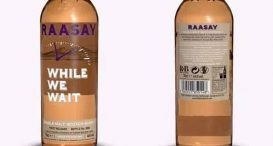
Curious what a single cask actually yields?Explore limited-edition and single cask bottlings with cask type and outturn on the label.
Table of Contents
- How many bottles are in a cask of whisky?
- The whisky cask yield calculation, step by step
- Whisky cask types: barrel, hogshead and butt
- What the angels’ share does to your bottle count
- Why bottling strength changes the answer
- The uncertainty range, stated plainly
- Frequently Asked Questions
How many bottles are in a cask of whisky?
A 200-litre cask of whisky typically yields between 230 and 285 bottles, depending on maturation time, bottling strength and evaporation. It is deliberately a range, not a number.
Anyone quoting a single figure is guessing. The gap between theoretical fill and saleable bottling run is where the real story sits.
The figure most often quoted is 233 bottles from a 200-litre cask after ten years at cask strength; other estimates put the ceiling nearer 276 to 285. Both rest on assumptions about loss and bottling strength that rarely get stated.
Here is the calculation, the cask types and the honest uncertainty, so you can run the numbers yourself.
The whisky cask yield calculation, step by step
Start with cask volume, subtract the angels’ share, divide by bottle size and adjust for dilution. Everything else is detail.
Step 2: Estimate maturation loss. Smaller casks lose proportionally more because more liquid touches wood per litre.
Step 3: Convert remaining volume to litres of alcohol. Multiply remaining litres by the ABV as a decimal.
Step 4: Decide your bottling strength. At cask strength you divide by bottle size directly; at reduced strength you add water first, increasing volume and bottle count. Our guide to the difference between cask strength and bottling strength whisky explains why that choice changes both yield and character.
Step 5: Divide and round down. A 700ml bottle is the standard UK measure.
| Cask type | Nominal capacity | Rough bottle yield at cask strength | Notes |
|---|---|---|---|
| Quarter cask | 50 litres | 60 to 70 | Faster wood contact, higher proportional loss |
| Barrel (American Standard) | 200 litres | 230 to 285 | The benchmark for estimates |
| Hogshead | 250 litres | 290 to 350 | Popular for single malt maturation |
| Butt | 500 litres | 580 to 700 | Slower maturation, lower proportional loss |
Rough bottle yield at cask strength
Quarter cask 60 to 70
Barrel (American Standard) 230 to 285
Hogshead 290 to 350
Butt 580 to 700
Those ranges are working figures, not promises. Adjust for your own cask, warehouse and bottling plan.
Whisky cask types: barrel, hogshead and butt
Cask size shapes both flavour and final bottle count, and the main types behave very differently.
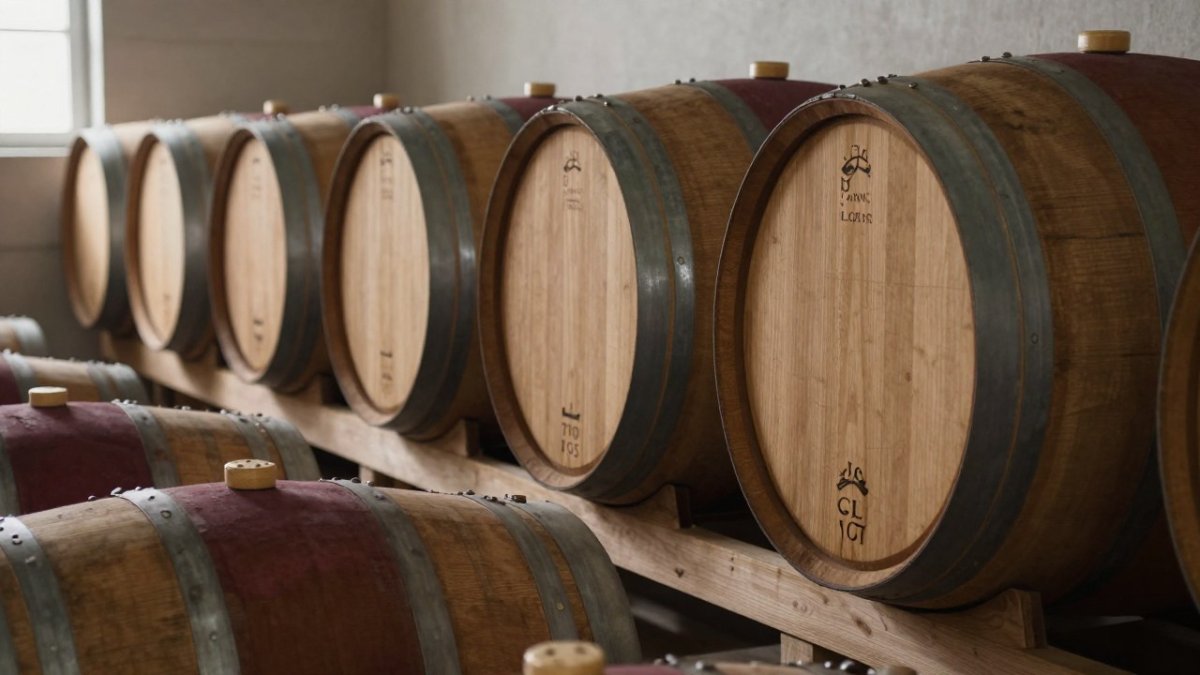
The American Standard Barrel is the workhorse: American oak, usually ex-bourbon, around 200 litres. First-fill brings vanilla and coconut; refills bring less.
The hogshead is larger, around 250 litres, often assembled from staves. That slower extraction makes cask size a useful way to shape maturation, while the same balance between wood and spirit also matters when considering how rum develops in oak, as with Moody Rum.
The sherry butt is the big one at roughly 500 litres, bringing dried fruit, spice and colour, with proportionally less evaporation.
Smaller casks, quarter casks in particular, mature faster but lose more to the angels. If you would rather find interesting single cask releases than buy blind, our piece on independent whisky bottlers and unique single casks is a sensible next read.
What the angels’ share does to your bottle count
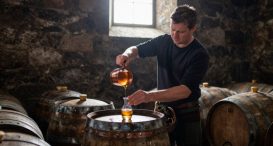
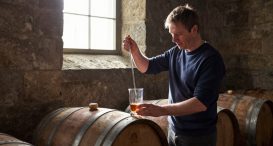
The angels’ share is the whisky that evaporates through the wood during maturation, and it is the single biggest reason bottle estimates vary so widely.
Oak breathes. Over years in a warehouse a portion of the volume disappears, at a rate set by temperature, humidity, warehouse type and cask size.
That is why the theoretical 276 to 285 bottles from a 200-litre cask rarely survives contact with reality.
Evaporation also removes water and alcohol at different rates depending on conditions, so the ABV of an old cask can drift.
Why bottling strength changes the answer
Bottling strength is the lever most people forget, and it can swing your yield considerably.
At cask strength you bottle exactly what came out of the cask.
The trade-off is character. Water opens some whiskies and flattens others. Bottling strength is a commercial decision as much as a flavour one, and it is worth saying so openly.
Watch out: assuming a cask strength figure when you plan to bottle at a lower ABV will leave you short on your bottling run, and reprinting labels is not cheap.
The uncertainty range, stated plainly
Bottle yield from a whisky cask is an estimate with a range, not a fixed quantity, and the width of that range grows with maturation time.
Anyone considering cask ownership should ask for the assumptions behind any bottle count they are quoted: cask volume, fill strength, expected loss rate, planned bottling strength and bottle size. Our checklist on what to check before buying a whisky cask for sale covers the questions worth asking before money changes hands.
Some cask investment material quotes the most flattering end of the range, so it is worth checking which end a figure represents.
Run your own numbers. Assume a loss. Round down. Then decide whether the cask still makes sense. And if you would rather skip the guesswork and buy a finished release, our limited edition whisky is a sensible place to start.
If you want to understand cask yield properly, the fastest route is tasting the results of other people’s decisions. Our whisky shop carries limited-edition and single cask bottlings where you can see the cask type, the strength and the outturn on the label, which is the most honest education in the subject.
Frequently Asked Questions
How many 70cl bottles can you get from a whisky cask?
A 200-litre American Standard Barrel matured for around ten years yields a bottle count that depends on evaporation, so treat any single figure as an estimate. A hogshead of about 250 litres gives more, and a 500-litre sherry butt more again. Always treat these as estimates: the only reliable figure comes from measuring the actual litres of alcohol in the cask before bottling.
Does bottling strength change the number of bottles from a cask?
It does, and often by a surprising margin. A cask bottled at cask strength, say 55% ABV, gives fewer bottles than the same cask diluted to 40% or 46% ABV. Adding water increases the total volume, so you get more bottles at a lower strength. The trade-off is flavour: dilution softens the spirit, so decide what suits the whisky before chasing extra bottles.
How does the angels’ share affect the number of bottles?
The angels’ share is the whisky lost to evaporation during maturation, and it directly reduces your final bottling yield. Losses depend on warehouse conditions, running higher in warm conditions, so a cask left for many years can lose a significant share of its contents. That is why older casks produce fewer bottles than young ones of the same original size.



-

GreatDrams Whisky Pouch 50ml Multiple Options Available
Price range: £8.00 through £20.00