



Last Updated: November 7, 2026
Quick Summary
To learn about whisky without the snobbery, start by tasting two contrasting bottles side by side, then use a flavour wheel to calibrate your palate. Books, free online guides, podcasts and tasting flights all help, but a guided tasting beats a book for honest feedback.
- Taste before you study: two contrasting drams teach your palate faster than any book.
- Two to three drams a week is plenty, and keep a notebook from day one.
- Regions are useful shortcuts, not guarantees, so taste the whisky, not the postcode.
- Oak cask influence is the biggest single factor in a mature whisky’s flavour.
- Avoid buying a formal course before you know whether you enjoy the subject.
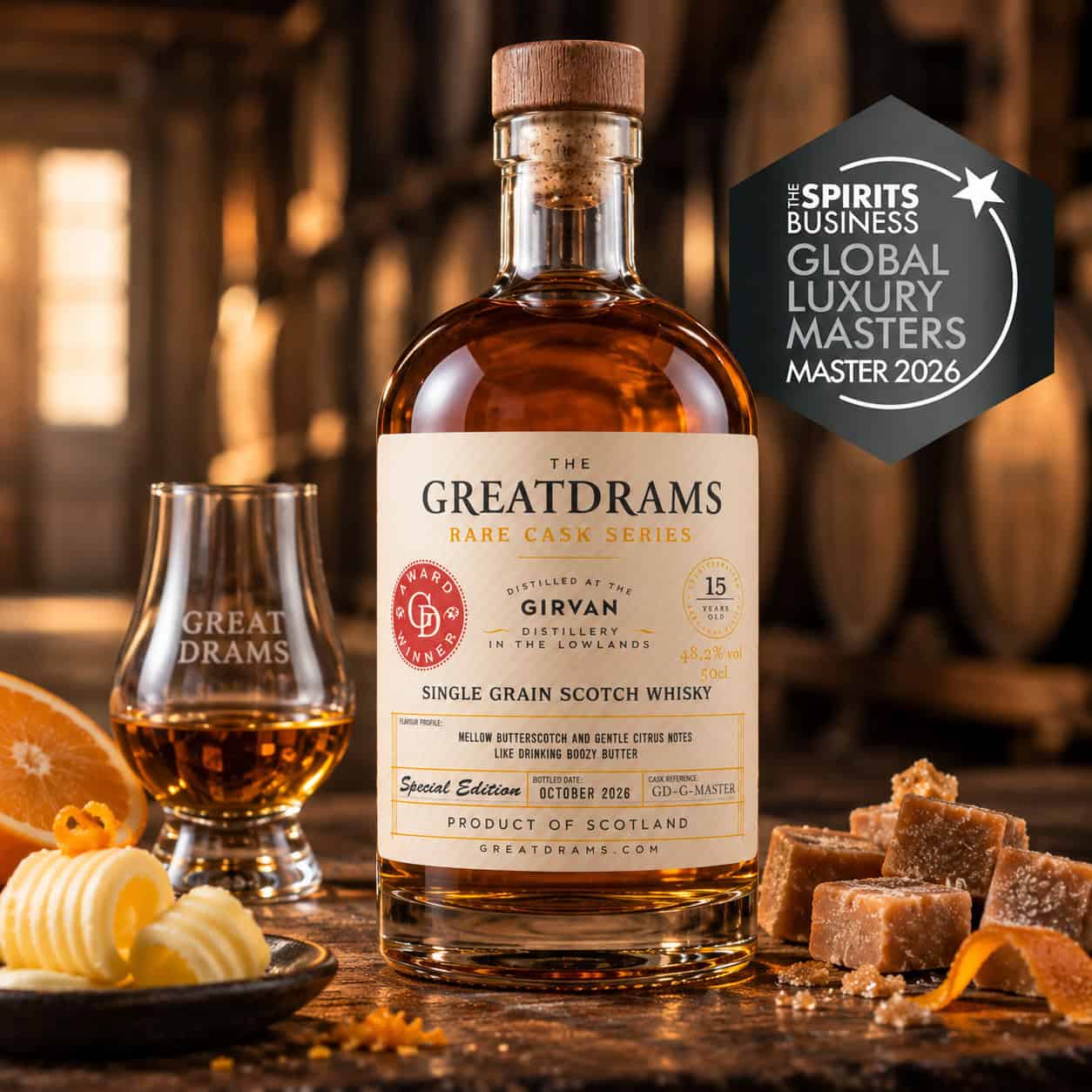
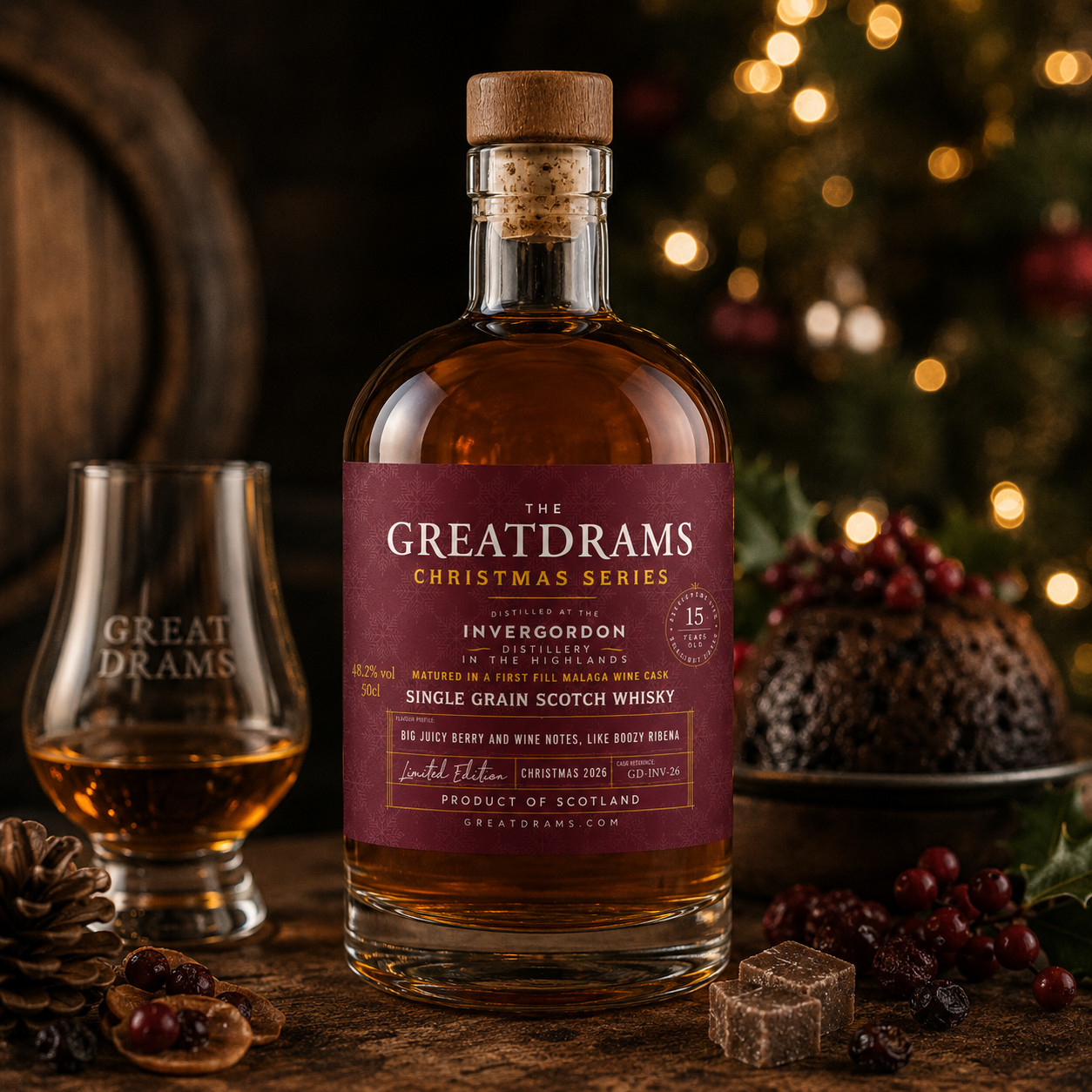
New to whisky and not sure where to start?GreatDrams runs approachable guided tastings and bottles limited-edition single casks worth exploring.
Table of Contents
- Why Most Whisky Education Feels Like a Closed Shop
- A Structured Learning Path for Complete Beginners
- Types of Whisky Explained: Styles, Regions and What They Actually Mean
- How Whisky Is Made: From Barley to Bottle Without the Chemistry Lesson
- How to Taste Whisky Properly (and What to Ignore)
- A Whisky Tasting Notes Template That Actually Helps You Remember
- The Best Educational Resources for Whisky, Compared Honestly
- Free and Budget-Friendly Ways to Build Whisky Knowledge
- Book a Guided Tasting to Put Your New Knowledge to Work
- Frequently Asked Questions
Why Most Whisky Education Feels Like a Closed Shop
Walk into any specialist whisky shop and you will hear the same language: cask strength, non-age-statement, first-fill sherry butt, copper contact time. Nobody explains what any of it means. You either nod along or admit you do not know, and most people choose the nod.
That is the barrier GreatDrams exists to knock down. The best educational resources to demystify whisky and simplify whisky discovery are not the ones that make you feel clever for knowing the jargon. They are the ones that get a glass in your hand and a useful thought in your head. The difference matters, because whisky knowledge has been gatekept for decades by people who benefit from your confusion.
The Scotch Whisky Regulations 2009 set out clear legal definitions for Scotch categories, which means a lot of what sounds mysterious is actually just regulated terminology. Once you know the rules, the mystique evaporates.
Here is the good news. Learning about whisky does not require a course, a certificate or a £200 bottle. It requires a structure, a few honest resources and the willingness to taste badly for a while.
A Structured Learning Path for Complete Beginners
Most beginners try to learn whisky by buying a bottle and reading the back label. That is like learning to cook by eating a meal. A better path has four stages, and you can work through them in a few months without spending much.
- Taste before you study. Buy two contrasting bottles, one light and one heavily peated, and taste them side by side. Your palate learns faster from comparison than from any book.
- Learn the vocabulary. Spend an evening with a flavour wheel and a dram. Match what you smell to the words on the wheel. This is flavour calibration, and it is the single fastest way to make tasting notes meaningful.
- Understand production. Once you know what you are tasting, learn why it tastes that way. Barley, yeast, still shape and cask all leave fingerprints.
- Explore by style, not by brand. Learn the difference between a sherry bomb and a coastal dram, then chase the style rather than the label.
Two to three drams a week is plenty. Keep a notebook from day one, even if the notes are rubbish at first. They will not stay rubbish for long.
Types of Whisky Explained: Styles, Regions and What They Actually Mean
Whisky styles are defined by production method and ingredient rules, not by marketing. Single malt means malted barley from one distillery (The Scotch Whisky Regulations 2009). Blended whisky combines malt and grain whiskies, often from several distilleries. Those are legal definitions, not quality rankings. The Scotch Whisky Regulations 2009 set out the categories precisely, and once you read them the mystique around terms like single grain or blended malt largely evaporates.
Regions matter far less than the internet suggests. Speyside, Islay, Highland and Lowland are useful shortcuts, not guarantees. Two Speyside single malts can taste nothing alike, and a well-made Highland dram can outclass a famous Islay expression on any given night. Treat regions as a starting point for exploration, not a promise of flavour.
Here is a practical way to think about it:
| Style | What it usually means | Good starting point |
|---|---|---|
| Single malt | Malted barley, one distillery | A light Speyside or Highland bottling |
| Blended Scotch | Malt and grain combined | A well-regarded supermarket blend |
| Blended malt | Malts from several distilleries | A teaspooned or vatted malt |
| Single grain | Grain whisky, one distillery | Softer, often sweeter |
| Peated | Smoke from peat-dried barley | A lightly peated Highland expression |
The regional picture gets more useful once you connect it to production. Islay whiskies are often peated because peat is local and historically cheap, but not every Islay dram is smoky. Speyside covers everything from light and grassy to rich and sherried, which is why the label tells you less than the cask and the distillery’s house style. If you want to explore by flavour rather than geography, our regions of taste reference sets out the characteristics of whisk(e)y from different international regions and is a better map than any postcode.
Watch out: assuming a region guarantees a flavour is the most common beginner error. Taste the whisky, not the postcode.
How Whisky Is Made: From Barley to Bottle Without the Chemistry Lesson
Whisky production is simpler than the language surrounding it. Barley is malted, which means it is soaked and allowed to germinate so starches become fermentable. The malted barley is milled and mashed with hot water to extract sugars. Yeast is added, fermentation turns those sugars into a low-alcohol wash, and distillation in copper pot stills concentrates it into new make spirit. That spirit goes into oak casks and matures for years before bottling.
Three things decide most of what you taste:
- The barley and peat. Peated barley gives smoke. Unpeated barley gives a cleaner base.
- The still. Tall stills tend to produce lighter spirit, short stills heavier spirit. Copper removes sulphur compounds, which is why still shape matters.
- The cask. Oak cask influence is the biggest single factor in a mature whisky’s flavour. A first-fill sherry cask will leave far more of a mark than a refill bourbon cask.
That is the whole process. Everything else is detail, and most of the detail only matters once you are chasing a specific flavour.
How to Taste Whisky Properly (and What to Ignore)
The best way to learn about whisky is to taste it slowly, with water nearby and no distractions. Pour a modest measure into a tulip-shaped glass, let it sit for a minute, then nose it gently without plunging your nose into the glass.

Ignore most of what you have read about tasting. You do not need to add water in precise ratios, you do not need to hold the glass at a specific angle, and you certainly do not need to find every note someone else found. A common mistake is chasing a stranger’s tasting notes instead of your own. If you smell vanilla and they smelled pear drops, you are both right. Trusting your own nose is the point, and learning to identify tasting notes can help you put words to what you already notice.
What actually helps:
- Small sips. A big mouthful numbs the palate.
- A drop of water. It opens up cask strength spirit by reducing the alcohol’s grip on the aroma compounds.
- Two drams, side by side. Comparison teaches faster than anything else.
If you want a step-by-step walkthrough, our beginner’s guide to tasting whisky covers the practical basics without the ceremony.
A Whisky Tasting Notes Template That Actually Helps You Remember
Most tasting notes are written to impress rather than to remember. A useful template is short, repeatable and honest. Copy this into a notebook and use it every time.
Whisky: [name, distillery, age or no age statement]
Nose: [first impression, then a second pass after a minute]
Palate: [flavour, texture, sweetness or dryness]
Finish: [short, medium or long, and what lingers]
Would I buy it again? [yes, no, or only at the right price]
The final line is the one that matters most. It forces a decision, and decisions build palate memory far better than paragraphs of adjectives. After twenty entries you will start noticing patterns in what you actually enjoy, which is the whole point of learning about whisky.
The Best Educational Resources for Whisky, Compared Honestly
Most guides list resources without ever telling you which one to start with, what it costs, or what you will actually be able to do afterwards. That is the gap worth closing. Below is a neutral comparison by learning outcome, level and rough cost, with the caveat that prices shift and availability varies, so check before you commit.
| Resource | Best for | Level | Typical cost | Main limitation |
|---|---|---|---|---|
| Reference books (for example a well-regarded malt companion) | Distillery context and tasting vocabulary | Beginner to intermediate | £15 to £30 | Cannot be tasted; can date quickly |
| Free online guides and distillery websites | Quick definitions and production basics | Beginner | Free | Uneven quality; often marketing-led |
| Podcasts and video channels | Passive learning and industry gossip | Beginner | Free | No feedback on your own palate |
| Flavour wheels and aroma kits | Flavour calibration | Beginner | Free to around £30 | Only useful if you actually taste alongside |
| Guided tastings and tasting flights | Calibration and honest feedback | Beginner to intermediate | Varies widely; flights often £15 to £40 | Requires booking and travel |
| Distillery tours | First-hand production context | Beginner | Often £10 to £25 | Regional and frequently scripted |
| Formal courses and qualifications | Structured progression and credibility | Intermediate to professional | Hundreds of pounds | Overkill for casual discovery |
Books remain the backbone for depth. A good malt companion gives you distillery history and house style you will never get from a back label, and our review of the Malt Whisky Companion explains what that particular book does well and where it falls short. Free guides and distillery sites are fine for definitions, though many repeat the same marketing lines. Podcasts and video are best treated as background noise that occasionally teaches you something.
The resource nobody mentions is other drinkers. A room of six people tasting the same dram will produce six different sets of notes, and that disagreement is the lesson. If you want feedback on your own palate rather than someone else’s, a guided tasting beats a book every time.
Watch out: the biggest trap is buying a formal course before you know whether you enjoy the subject. Start with a book, a flavour wheel and a tasting flight, then decide whether you want to go deeper.
Free and Budget-Friendly Ways to Build Whisky Knowledge
You do not need to spend much to learn about whisky. Some of the most effective routes cost nothing at all.
- Whisky bars and tasting flights. Three small measures of contrasting styles teach more than a whole bottle of one thing.
- Supermarket blends. A decent blend is a perfectly good calibration tool and costs a fraction of a single malt.
- Distillery open days. Many run low-cost or free sessions where you can taste and ask questions directly.
- YouTube and podcasts. Free, plentiful, and best treated as a starting point rather than gospel.
- Share bottles. Split the cost of an interesting single cask with two friends and taste it together.
Watch out: the biggest budget trap is buying an expensive bottle before you know what you like. Spend the first few months on small measures and cheap blends, then buy properly once your notes tell you what you actually enjoy.
Book a Guided Tasting to Put Your New Knowledge to Work
Reading about whisky only takes you so far. The moment it clicks is when someone puts four drams in front of you and explains why they taste different.
That is what we do at GreatDrams. We also bottle limited-edition single casks and artisan blends. If you are weighing up what to buy next, our limited edition whisky range is the place to start, and our tasting night checklist covers the essentials if you would rather host at home.
Whisky rewards curiosity and punishes pretension. Start with two bottles, a notebook and an honest palate, and the rest follows.
The hardest part of learning about whisky is not the vocabulary or the production detail. It is deciding to start without waiting until you feel qualified. GreatDrams was built to make that first step easier, with approachable guided tastings, limited-edition single cask bottlings and small-batch releases that give you something genuinely interesting to compare. Get started with GreatDrams and turn a confusing shelf into a shortlist you actually understand.
Frequently Asked Questions
What is the best way to learn about whisky?
Start with a structured but simple path: read one accessible book, follow a free online glossary, and taste two or three whiskies side by side with a notebook. The key is to learn the vocabulary while you taste, not before. A guided tasting or a beginner course can speed this up. GreatDrams offers whisky tasting hosting if you would like a guided session.
Which whisky resources are best for beginners?
Look for resources that explain without gatekeeping. Good options include beginner-friendly books, free distillery glossaries, YouTube channels that focus on flavour rather than jargon, and tasting notes templates. Avoid anything that assumes you already know what ‘cask strength’ or ‘non-chill filtered’ means. Start with one resource per category (read, watch, taste) and build from there. A guided tasting is often the fastest way to connect the theory to the glass.
How can I learn to taste whisky without feeling intimidated?
Strip it back. Use a clean glass, add a splash of water if you like, and focus on three things: what you smell, what you taste, and how long the finish lasts. Ignore the pressure to detect specific flavours like ‘dried apricot’ or ‘old leather’. Start with broad categories: fruity, spicy, smoky, sweet. A whisky tasting notes template can help you track your impressions without feeling like you are sitting an exam.
What are the main types of whisky?
The main types are single malt (from one distillery, 100% malted barley), blended malt (a mix of single malts), blended whisky (malt and grain whisky combined), single grain (grain whisky from one distillery), and bourbon or rye (American styles). In Scotland, single malt must be made in a Scottish distillery using pot stills. Each type has its own production rules and flavour tendencies, but the best way to understand them is to taste a few side by side.
How is whisky made, from grain to glass?
Whisky production starts with malting (soaking barley to germinate), mashing (mixing with hot water to extract sugars), fermentation (adding yeast to create a low-alcohol wash), distillation (separating alcohol in copper pot stills), and maturation (ageing in oak casks for at least three years in Scotland). Each step affects flavour. You do not need a science degree to enjoy whisky, but knowing the basics helps you understand why a smoky whisky tastes different from a sherried one.
Are there reliable online whisky courses?
Yes, but quality varies. Look for courses that cover production, tasting technique and styles without pushing a single brand. Some distillery-run courses and independent education platforms offer structured learning. Check for clear learning outcomes, sample materials and reviews. Free resources like distillery websites and YouTube can also be reliable if they are transparent about their sources. Avoid anything that promises a certification without explaining what it is worth.








-

GreatDrams Whisky Pouch 50ml Multiple Options Available
Price range: £8.00 through £20.00