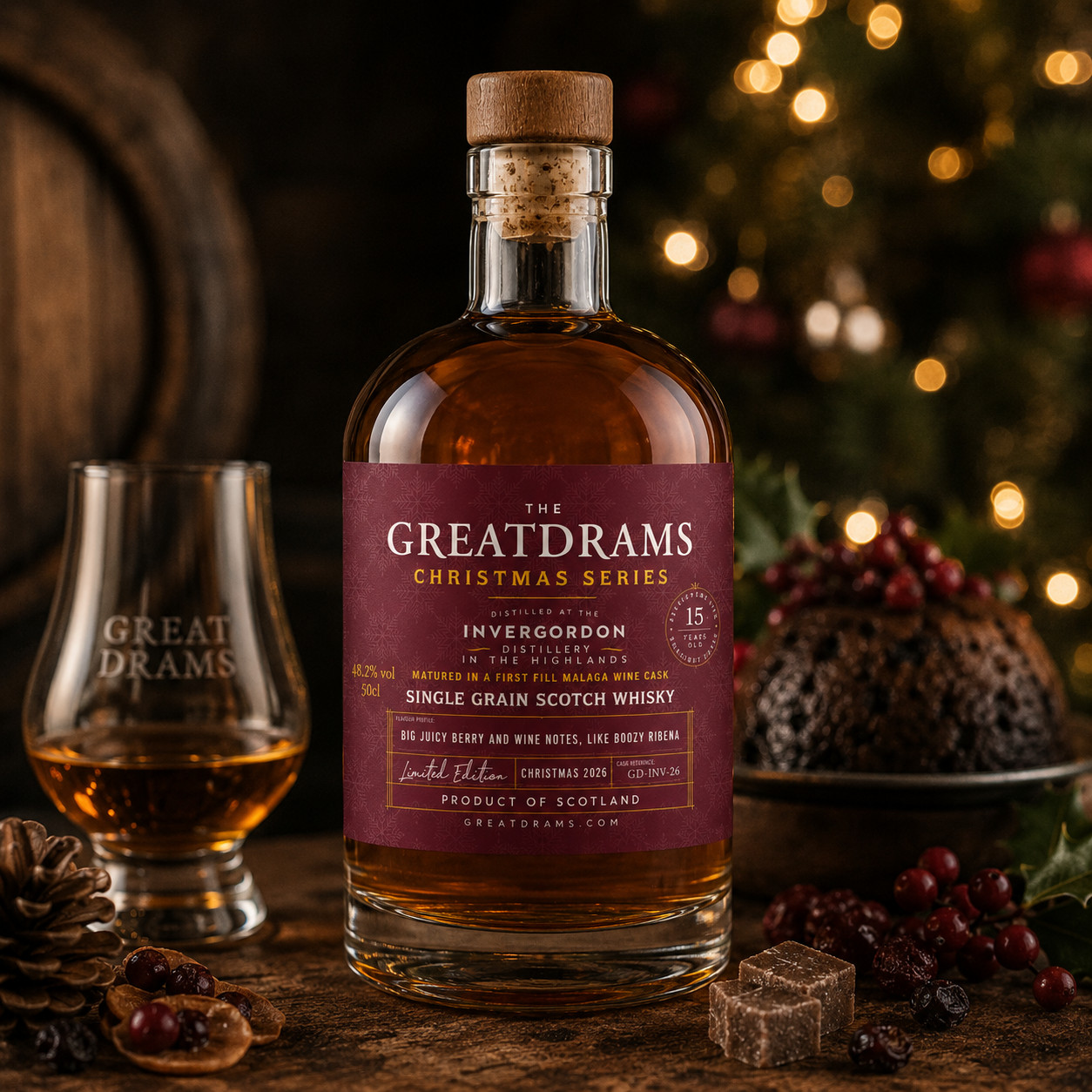
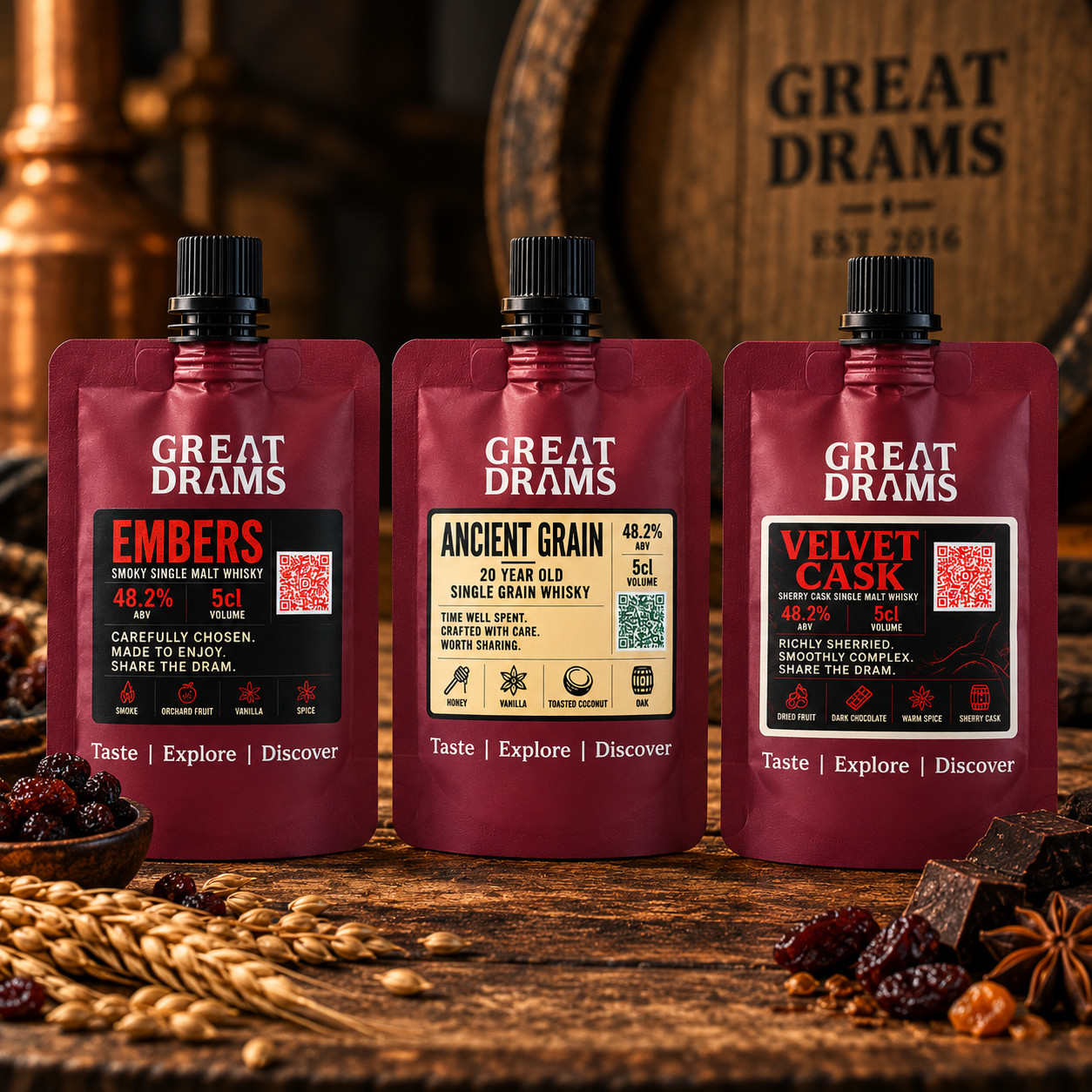
Whisky, not unlike myself, is mysterious and complex, with many hidden layers to it. It’s a tipple universally adored and is one steeped in history and mystique. It also tastes amazing which always helps.
Now, I don’t know about you, but the more I know and understand about my whiskies, the more drawn to them I become. I don’t just like to know the basics, I like to know as much about them as possible. I’m no aficionado by any stretch of the imagination, but we here at GreatDrams definitely know our whisky, and we’ve the awards to back this up.
Getting to know whisky means getting to understand the complex terminology and phrases that go with it. When I was a wee lad just getting a taste for the good stuff, I didn’t know my mashing from my malts. These days, however, I’d like to think I’m a lot more clued up.
To help you sound like you know what you’re talking about the next time you order a dram or two, here’s a look at several whisky terms and phrases all aficionados should know.
Drams
As we’re proud to call ourselves GreatDrams, it’s only right that we begin with a look at what a dram actually is. Some people tend to believe that dram is a slang term for a drinking vessel or a specialist whisky glass, but that’s not exactly the case.
While there is no true definition of a dram of whisky, it’s generally considered to be a shorthand term used to describe a pour of whisky, regardless of size.
You could therefore refer to a shot of whisky as a dram, or a pint of whisky as a dram. I mean, after drinking a pint of whisky you probably wouldn’t be able to speak, let alone understand the concept of a dram, but you get the idea.
ABV
When I’m reviewing a whisky, I usually have to include a section looking at its ABV (unless this info is not readily available).
Typically, the ABV of a whisky is around 40% – 45%, though it can also be much higher into the 50s, and very occasionally, into the 60s as well. Legally here in the UK, for Scotch to be marketed as such, it must have an ABV of at least 40%.
So, we know that ABV refers to how strong a whisky is and how much alcohol it contains, but what does it actually mean?
Well, in the spirits business, ABV stands for ‘Alcohol by Volume’. It is displayed as a percentage in relation to the liquid. A 50% ABV dram, therefore, would not only be delicious, but it would also have 50% of the liquid in the form of water, and the other 50% in the form of alcohol.
Cask
When people refer to a whisky’s cask type, they are very simply talking about what type of cask or barrel the whisky has been matured in.
Whisky cask type plays an integral role in how a whisky tastes, smells, feels, and looks. It basically gives a whisky almost all of its character.
Usually, oak wood is used, with most Scotch whiskies first being finished in American oak ex-bourbon barrels. These barrels, which have been shipped from the US, first held bourbon whiskey and were charred. This imparts subtle sweet and charred bourbon characteristics.
Whiskies can also be finished and matured in a variety of other cask types, including barrels and casks once used for sherry, port, wine, brandy, rum, and more besides. Different cask types impart different flavours, notes, and characters into the whisky.
Angel’s Share
If ever you hear people talking about the Angel’s Share in terms of whisky production, they’re referring to a whisky’s alcohol and volume that has been lost in the cask due to evaporation over the years.
Each year, as much as 3% of a whisky’s alcohol and volume is lost to evaporation, which is another reason why older whiskies tend to be more valuable, as there is less left at time of bottling.
It is referred to as the ‘Angel’s Share’ because many centuries ago, it was believed that angels would descend from heaven, make their way into the warehouses used to store the whisky, break into the whisky barrels, and help themselves to the delicious amber nectar held inside.
Marrying
If you really want to sound like a whisky aficionado, marrying is a phrase you will need to understand.
Marrying is a term used in whisky production to describe the blending of different whiskies together to create a perfectly balanced whisky. The idea behind marrying different drams together is not to create a whisky that tastes completely different, but rather, to use drams that compliment one another and bring the best out of one another, just as your wedded partner would.
That, for me, is what marriage is all about, both in reality and in whisky production.
Cask Strength
Cask strength whiskies are very much suited to aficionados as they contain a much higher ABV than whiskies which are watered down before entering the barrels. Ordinarily, before being bottled, water may be added to bring the ABV down to at least 40%. With a cask strength expression, that is not the case.
A cask strength whisky is bottled undiluted, at the strength in which it is drawn from the cask. It has nothing added to it and typically has an ABV of between 50% and 60%, though this can sometimes be higher and it can sometimes be lower.
Cask strength whiskies have a much stronger, more intense flavour and of course provide more of that trademark fiery burn we’ve come to expect from an exceptional Scotch whisky.
Finishing/finish
Finally, I thought I’d finish with a look at, well, finishing.
When people talk about ‘finishing’ in whisky production, they’re talking about transferring the whisky from one cask or barrel to another, to allow it to finish and take on new flavours and characteristics.
Finishing is done to impart different notes, characteristics, flavours and profiles into the whisky. A sherry cask-finished whisky for example, will be finished in casks once used to store sherry. This will help give the whisky more sherry notes such as dried fruit, spice, and gentle nuttiness.
How long a whisky finishes depends entirely on those producing it. Some may choose to finish a whisky in a different cask for as little as 6 months, whereas others may choose a finishing period of two years. Though not official, anything longer than 2 years would generally be considered a re-racking.
As far as a whisky’s finish is concerned, this is a tasting note used to describe a whisky’s aftertaste once you’ve swallowed it. Whiskies with a long finish linger on the tastebuds for longer and leave more of a lasting impression than those with a shorter finish. Both are equally as delicious, just delicious in different ways.
If you’d like to learn more about your favourite whiskies, or simply treat yourself to a dram or two in the process, head on over to GreatDrams.com and take a look at the diverse selection of unique whiskies we currently have in stock.
With an impressive selection of limited-edition, rare, and award-winning whisky, as well as heaps of whisky info on our blog, it’s the perfect spot for any whisky lovers out there.