How to Start Enjoying Peated Whisky

For some whisky aficionados, peated whisky is the best of the best, the cream of the crop, the pinnacle of Scotch, and the only true acceptable dram. For others, it’s shall we say, quite subjective.

The taste of peated whisky can be described in many different ways. It can taste medicinal, it can taste briny, it can taste of the sea, it can have earthy undertones, and it has even been described as tasting like burnt rubber. Primarily, however, its taste can be described as smoky.

Now, to some whisky puritans, peated whisky is the only true Scotch to enjoy. I of course disagree with that, but what I do agree upon is the fact that there are some truly exceptional peated drams out there, and surprisingly, not all of them are smoke bombs either.

If you’re ready to take your whisky experience to the next level and want to gently break into the world of peated whisky, today’s blog is definitely for you.

Here are a few tips to help you start enjoying peated whisky.

Understand What Peated Whisky Is

Firstly, before you can truly appreciate a great dram (I said the thing) I believe understanding the history behind it makes a huge difference to the entire drinking experience. I’ve covered peated whisky quite a few times over the years, so I won’t go into too much detail here. What I will do, though, is cover the basics.

Peated whisky is synonymous with the Islay whisky region of Scotland, though not exclusive. It is renowned for its smoky, briny, medicinal, earthy notes. Peat is made from ancient, decomposed vegetation found in bogs across Scotland (and other locations such as Ireland) that date back several thousand years, and sometimes longer still.

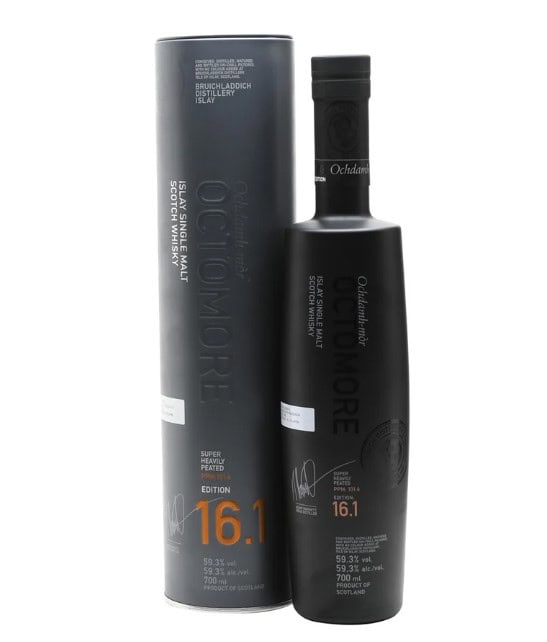
The whisky gets its smoky flavour from peat bricks, which have been dug up and burned in kilns to provide the heat needed to malt the barley used to make the whisky. The intensity of peat is measured in PPM (Phenol Parts per Million). The lower the PPM, the lower the peaty, smokiness of the dram. An unpeated dram for example, would not surprisingly have a PPM of 0, whereas the average peated dram from Islay has a PPM of around 20 – 30. A heavily peated dram like Bruichladdich’s Octomore however, features a much higher PPM. Octomore’s PPM for example, averages around 167, though their record-breaking 8.3 was peated to a chest burning 309.1 PPM, making it the peatiest whisky on the planet.

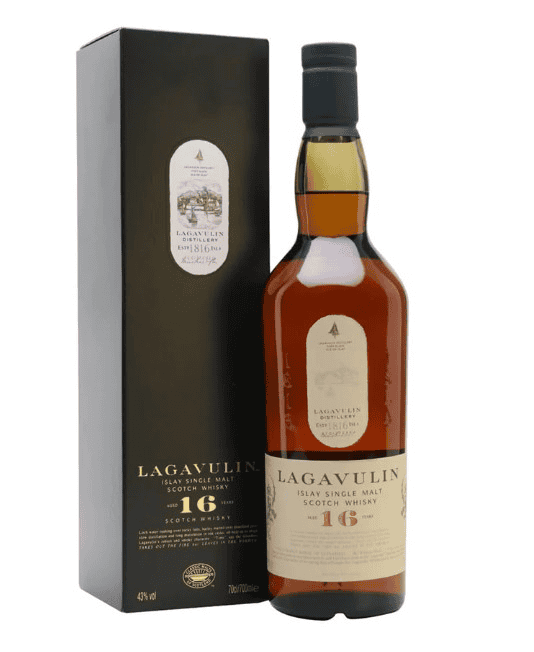
As the peat smoulders in the kiln below, smoke rises and seasons the barley as it malts. This gives it a distinctly smoky flavour which is then imparted into the whisky itself. Peat’s intensity in whisky varies drastically from dram to dram. Some lightly peated whiskies have very subtle smoky notes to them, whereas others like the Lagavulin 16 or Octomore can be described as smoke bombs.

Photo Credit: The Whisky Exchange

Start with a Lightly Peated Dram

Whenever people ask me how to get into peated whisky, I always recommend that they begin with drams featuring a very subtle smokiness. You’d be amazed by how many people don’t actually realise that peat levels can vary from dram to dram.

If you’re ready to venture from Speyside to Islay and want to get into peated whisky, I recommend that you begin with a few lightly peated drams. Look for whiskies that have a PPM of around 10 – 15 or so and see how you get on. If you enjoy them and don’t find the smoke overpowering, you can then move up slightly.

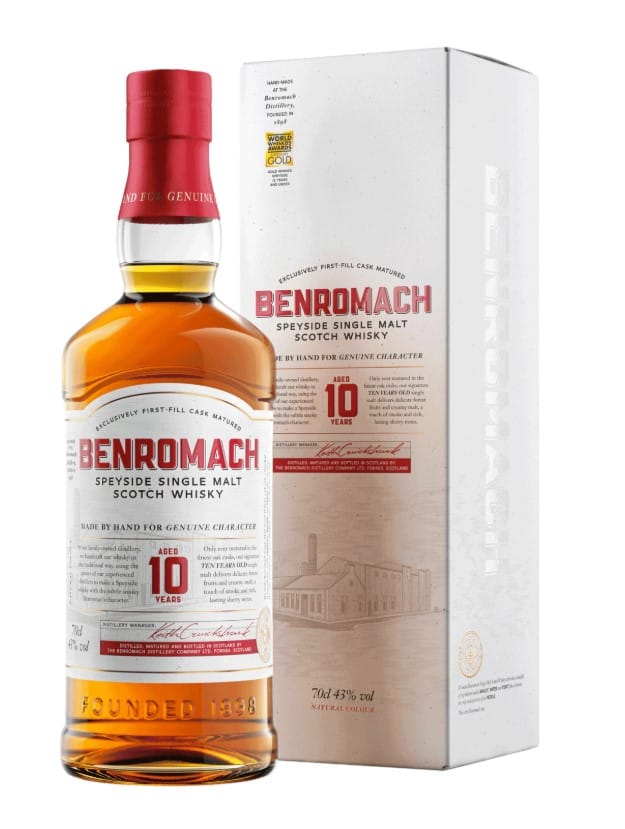
Benromach 10 Year Old is a good shout here, as it’s typically peated to 10 – 12 PPM so there’s a definite smokiness there, without being overpowering. The subtle smoky notes remind me of smouldering barbeque coals. They work great with the fruity, citrus, honey and vanilla notes of this dram, without overpowering your senses.

Photo Credit: Benromach

Try a Different Peat

If you’ve tried a few Islay expressions and you’re finding the peat flavour a little too much, don’t give up just yet. Instead, why not try a peated dram using peat from a different part of Scotland? Peat from Islay tastes completely different to peat from The Highlands, as does peat from Orkney.

Islay peat is smoky, briny, and medicinal, with notes of iodine, seaweed, and woodsmoke. Peat from the Highlands has more of an earthy character, whereas Orkney peat features less wood as it is made primarily from heather. This gives the smoke a gentler, more floral, sweeter tone which carries over into the whisky itself.

Highland Park 12 Year Old is another whisky that is often recommended for people trying to get into smoky whiskies. This particular dram is made from grains malted using peat bricks from Orkney.

Instead of earthy, medicinal TCP-esque woodsmoke, the smoke is milder and balances the sweeter, dried fruit, orange, and sherry notes in the whisky perfectly.

Photo Credit: Highland Park

Try it in Cocktails

Listen, I understand all too well that some peated flavours can be overpowering. There are some drams out there that are too smoky even for me. If you’re finding the smoke flavours a little too strong, how about trying a peated whisky cocktail instead?

The classic Penicillin cocktail for example, works wonderfully with a peated whisky. This classic cocktail made from fresh lemon, honey, ginger, and Scotch tastes absolutely amazing with a peated dram. I like to make mine with a nice Ardbeg or Laphroaig, especially if I feel like I’m coming down with a cold. Take it from me, it makes the ultimate Hot Toddy and works better than any Lemsip (please don’t take that too literally, I’m not a doctor, it’s whisky I work with).

You can also make the tried and tested Old Fashioned with a peated dram, along with the Smoky Cokey, which is essentially a smoky, peated whisky mixed with cola and a few dashes of bitters, served in a Highball over ice with a wedge of lemon or lime.

Water it Down

As I always say, whisky should be enjoyed by everybody, and if watering down an Islay dram means you actually enjoy it, then more power to you.

If a whisky is a little too smoky, a few splashes of mineral water, or an ice cube or two will tone down the intensity perfectly, while also offering a few new tasting notes along the way.

Don’t Force It

Finally, if you’ve tried several peated drams, along with the tips listed above, and you’re still not a fan of peated whisky, that’s perfectly okay, just stick with what you enjoy.

There are plenty of our wonderful customers here at GreatDrams who absolutely adore Speyside expressions, but can’t really get into smoky drams, like those from Islay, and that’s fine by us. That’s the beauty of whisky, there’s one out there for everybody!

If you’d like to learn more about your favourite whiskies, or simply treat yourself to a dram or two in the process, head on over to GreatDrams.com and take a look at the diverse selection of unique whiskies we currently have in stock.

With an impressive selection of limited-edition, rare, and award-winning whisky, as well as heaps of whisky info on our blog, it’s the perfect spot for any whisky lovers out there.  

Tags: peated Whisky
Picture of Greg

Greg

My name is Greg, and I’m a brand strategy consultant, writer, speaker, host and judge specialising in premium spirits. My mission is to experience, share and inspire with everything great about whisky, whiskey, gin, beer and fine dining through my writing, my brand building and my whisky tastings.

You might be interested in

More from the blog

Leave a comment

Login / register