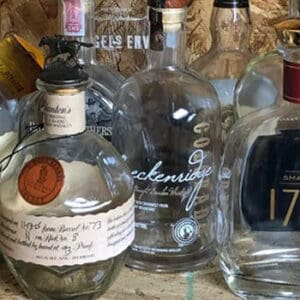
Cork or Cap? – Does Whisky Bottle Closure Really Make a Difference?

Once you pop, you can’t stop’. That’s certainly the case for whisky lovers such as you and I when we remove the stopper on our favourite whisky and get that satisfying ‘pop’ before pouring a dram. 

Now, for the very loyal GreatDrams fans amongst you, you may remember how, before global pandemics, ridiculous energy prices, ridiculous inflation, ridiculous interest rates, and before TikTok was a thing, I covered whisky caps vs corks. Back in 2018, I looked at whether the lid on your bottle of whisky really made a difference, not only to the liquid gold inside, but to the drinking experience in general. If you’d like a reminder, that blog can be found here

As that was 7 long years ago, and because the whisky business, as well as our humble business, has changed so much since then, I thought for today’s blog I’d revisit that same topic and see if my opinion has changed. 

So, cork or cap? Here’s an updated look at whisky closure, and whether it makes a difference. 

Different Types of Whisky Closures

When I first covered this topic in 2018, I focussed primarily on whisky corks vs whisky caps. While these are still arguably the most popular examples of whisky stopper, there are now other alternatives. 

To get the ball rolling today, we’re going to take a quick look at the different types of whisky closures currently being used. These include: 

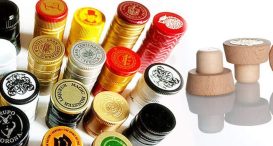
Cork Stoppers

Cork stoppers are typically still the most common closures used in the spirits biz, particularly here in the UK. It’s rare that you’ll come across a single malt that isn’t fitted with one of these bad boys. 

Cork stoppers are made from cork (shock, horror) and feature a cap on the top which is usually made from plastic, metal, or stone, which you grasp, twist, and pull to open your bottle. 

Cork stoppers are especially popular amongst whisky purists and are generally associated with higher quality, upmarket drams. The purist in me can definitely see why that is. Cork stoppers tend to offer a tight seal which helps prevent oxidation. Then of course, you get that satisfying ‘pop’ as you twist and release the stopper. 

Yantai Changyou Glass Co., Ltd.

Wht I also love about cork stoppers, is the fact that they’re better for the environment. Cork is derived from a close friend of the whisky family – oak. Specifically, it’s made from the outer park of the Quercus Suber tree, better known as the cork oak tree. Not only is wood biodegradable, but the cork oak forests where the bark is harvested from, support a huge selection of wildlife. 

That’s the good, but what about the bad? Well, as great as cork stoppers are, they’re not without their drawbacks. To begin with, cork can degrade over time, especially if not stored correctly. Remember, they’re made from wood, and wood is susceptible to sunlight, temperature, and moisture. If you’ve ever had a cork disintegrate when opening a quality whisky before, you’ll know how frustrating this is. Nobody wants to have to sieve their whisky before drinking it, yet if you have a cork fail on you, you may not have a choice. 

There’s also the risk of the cork reacting with the whisky. Readers of a certain age here, may remember one of the many classic scenes in Fawlty Towers, where hapless hotelier Basil Fawlty struggles to serve a guest when a rather expensive bottle of wine reacts with the cork. When this happens, compounds in the cork react to wine inside, causing a musty, “off” taste. This is known as ‘corking’, and while it’s more common in wine, it can still happen in whisky. I’ve had this happen before and trust me, it’s like a punch in the gut when you take that first sip and are met with bland, woody, musty flavours more akin to damp cardboard. 

Then of course, there’s the biggest drawback of all – the noise. It’s very hard to quietly open a cork stopper, so if you want a late-night dram and don’t want to wake the wife and kids, that normally satisfying popping sound can work against you. 


Screw Caps

Up next, we have screw caps. 

Screw caps are often looked at unfavourably by whisky purists, yet they’ve come a long way over the last decade and definitely have their place in the whisky world. 

Screw caps are usually made of metal such as aluminium, though I have seen some that are made of plastic, and even I thought that was a bit much. I’m far from a whisky snob as you know, but even I draw the line at plastic screw caps. 

Over here, metal screw caps are often used in entry-level single malts and blended drams. I don’t know, they just don’t feel as luxurious or special as cork stoppers to me. In Japan, however, screw caps are more popular and are used in a number of premium-quality drams from some of the country’s biggest producers. 

While screw caps often play second fiddle to cork stoppers, they do offer some advantages. As well as being more affordable, they can offer a better airtight seal, thus helping to prevent oxidation of the whisky stored within. They also rarely fail and there’s no risk of ‘corking’ and the whisky reacting with the cap. They’re also quieter and can make it easier to get in a sneaky dram.

Yunbo Closures

Wax Seals 

I might be cheating here, as wax seals are not primarily considered whisky closures. Instead, they offer an extra level of protection against oxidation. 

Wax seals are becoming increasingly popular in the spirits business, yet when it comes to whiskey, they’re synonymous with one brand, and that brand is Maker’s Mark. Here, the sealed bottlenecks of Maker’s Mark bourbon whiskey are dipped into vibrant red melted wax. This not only helps seal the bottles and boost the aesthetics, it’s also a great USP and helps increase brand awareness. 

Wax seals may be great for appearance and preventing oxidation, but the downside is that it takes longer to get into the bottles. When you’re craving a dram of the good stuff, those extra seconds can feel like hours!

Photo Credit: Maker’s Mark

Synthetic ‘Cork’ Stoppers 

In recent years, we’ve also seen an increase in synthetic cork stoppers. For those who enjoy that satisfying ‘pop’ you get with a cork stopper, without the risk of the cork disintegrating or reacting with the whisky, synthetic cork stoppers can be useful. 

These stoppers look and act just like real cork stoppers, but are made from synthetic materials, usually plastics, rather than cork wood. They’re durable and a great alternative to people who really do not like twist caps. 

Of course, they’re not perfect and because they’re not natural, they can’t be used for aging whiskies in the bottle like you can with cork. They’re also less eco-friendly and are not ideal for people concerned about micro plastics. 

All in all, I think they’re decent enough, and I do prefer them over most screw caps. Given the choice, though, I’d always go natural with cork. 

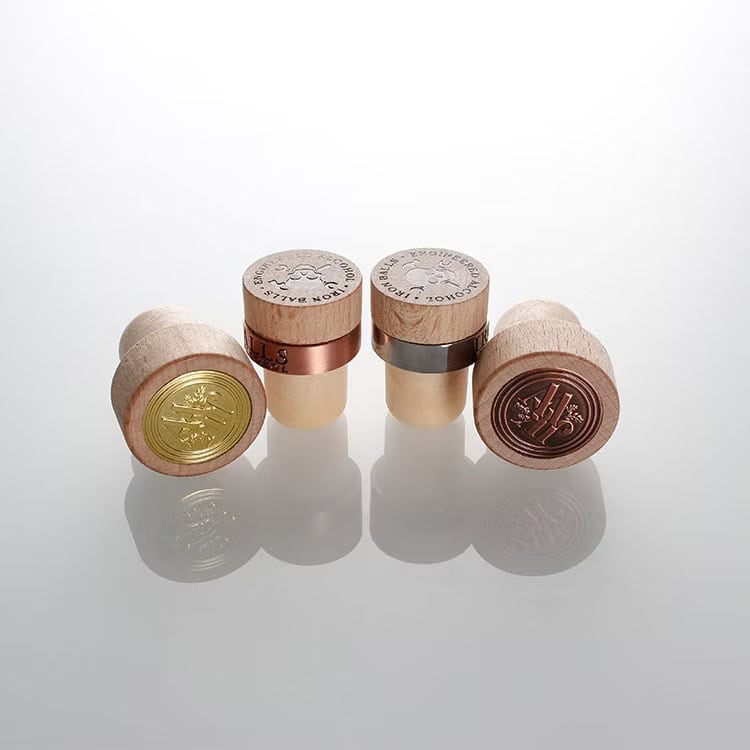
Zyx Wooden Craft


Does Whisky Bottle Closure Make a Difference?

So, after seven long years, have my feelings on whisky closures changed? No, not really. 

Originally, the whisky purist in me preferred real cork closures over screw caps, and I still feel the same. I just prefer how cork stoppers look, feel in the hand, and sound when you open them. 

While I do appreciate screw caps, as well as synthetic stoppers, for me, cork stoppers would be my closure of choice. So, does that mean it makes a difference? Well, to me it does. 

With cork closures, despite the benefits, there’s always the risk of the cork failing and the whisky inside being compromised. With screw caps and synthetic caps, there’s less chance of the whisky oxidising or spoiling. 

Cork stoppers are my favourites, but they also require more work. Whisky sealed with a cork stopper needs to be stored correctly. It’s a bit more work, but all the things in life worth having are. 

If you’d like to learn more about your favourite whiskies, or simply treat yourself to a dram or two in the process, head on over to GreatDrams.com and take a look at the diverse selection of unique whiskies we currently have in stock.

With an impressive selection of limited-edition, rare, and award-winning whisky, as well as heaps of whisky info on our blog, it’s the perfect spot for any whisky lovers out there.  

Tags: CapcorkWhisky Bottle Closure
Picture of Greg

Greg

My name is Greg, and I’m a brand strategy consultant, writer, speaker, host and judge specialising in premium spirits. My mission is to experience, share and inspire with everything great about whisky, whiskey, gin, beer and fine dining through my writing, my brand building and my whisky tastings.

You might be interested in

More from the blog

Leave a comment

Login / register