What is it that makes a fine malt whisky? Ah, that would be telling. Is it the grains in the mash, the casks used for maturation, the water used in the recipe, or the climate of that particular whisky region? Well, for me personally, it’s all of the above, and a little more besides.
Sorry if I sound like I’m talking in riddles, but you get my point, right? Perfecting Scotch is an artform that requires dedication, hard work, expertise, and patience. I will say, however, that climate and terroir are vastly underappreciated in my opinion, and make far more of a difference than a lot of people realise.
I love how different each whisky is depending on which region it’s produced in. I love how you can enjoy a smooth and fruity Highland malt, travel a hundred miles or so, and savour a light and floral dram from a Lowlands distillery. Travel to the island of Islay, and you’ve a plethora of smoke bombs to choose from.
Then of course, you have other Island expressions. Because of their close proximity to the ocean, many Island distilleries provide unique maritime flavour profiles and characteristics in your whisky that you simply don’t get anywhere else in the country. I’ll tell you now, when in the mood, a maritime malt takes some beating.
Here’s a look at how our seas and oceans have helped create some truly exceptional whiskies over the centuries.
The Islands and Whisky’s Maritime Links
Officially, depending on whom you talk to, there are five Scotch whisky regions. These are: Speyside, Highlands, Lowlands, Campbeltown, and Islay. However, there is a sixth, unofficial whisky region in Scotland known as The Islands.
Many whisky aficionados consider The Islands to be an official region, and do you know something? I’d be inclined to agree. The Islands (not including Islay, even though that is an island but is already a recognised region) are located just off the west coast of Scotland. They consist of the islands of:
They’re home to a wide range of different, and well-established distilleries, including Jura, Talisker, Highland Park, Arran, and plenty more besides.
Most, not all, but most of the distilleries found on The Islands, are located close to the coast. They have a very unique climate that you just don’t get on the mainland. Historically, these highly remote coastal locations were chosen for several reasons. Travel by sea was actually easier than by land, thereby making it easier to transport/smuggle whisky and whisky-making ingredients. Then of course, as I’ve covered in the past, there’s the fact that it made it easier to hide from the dreaded excisemen during the times of illicit whisky production.
What I love about Islands expressions is because of the climate and terroir, you get bolder, more unique flavour profiles that mainland distilleries wouldn’t be able to deliver. It’s colder on the islands and as most distilleries are coastal, you get distinct maritime coastal notes in your drams, which I’ll look at shortly.
Maritime Flavour Profiles
Distilleries on Scotland’s coastal regions tend to produce whisky that has very unique characteristics and profiles. This is largely due to the fact that the coastal air and climate play a very subtle role in maturing and finishing the whisky.
As you know, I love being by the coast, and without question, one of the best parts of going to the coast in the UK is fish and chips. Fish and chips by the sea just tastes a million times better than it does on the mainland. Most people put this down to the freshness of the fish, but I’m convinced that the salt in the air, and the briny seaweed aromas work in harmony with the fish and just take it to a whole other level. I feel like the same principle applies to whisky maturation.
I know whisky isn’t seafood, but sea salt, seaweed, and maritime coastal breezes, coupled with unique types of peat, help to impart a wide range of different flavours into the whisky that just can’t be emulated anywhere else.
Drams with a maritime influence tend to have notes of ocean spray, sea salt, iodine, briny seaweed, medicine, and often peaty smoke. Even the smoky peatiness differs from location to location thanks to the different climate. Grains malted with peat smoke from Orkney for example, have a different smokiness to those malted with peat on Islay. This is because Orkney is made up primarily of moorland and features fewer trees. As a result, the peat is predominantly made from compressed heather, rather than wood. This gives it an aromatic and floral character, which is infused into the whisky.
3 Moreish Maritime Dram Recommendations
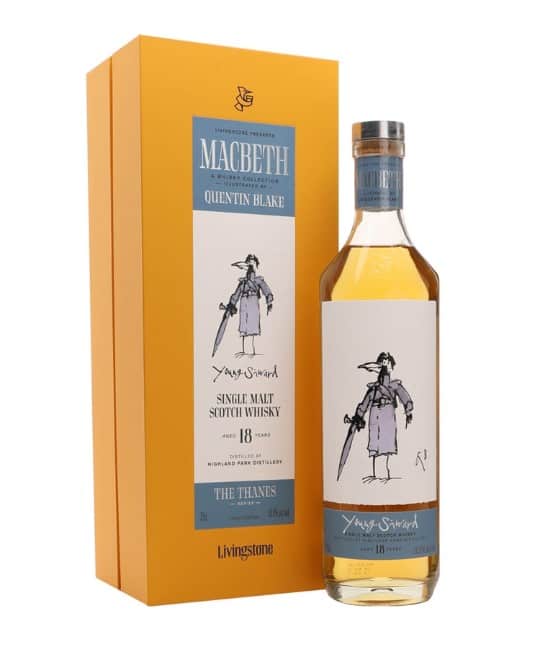
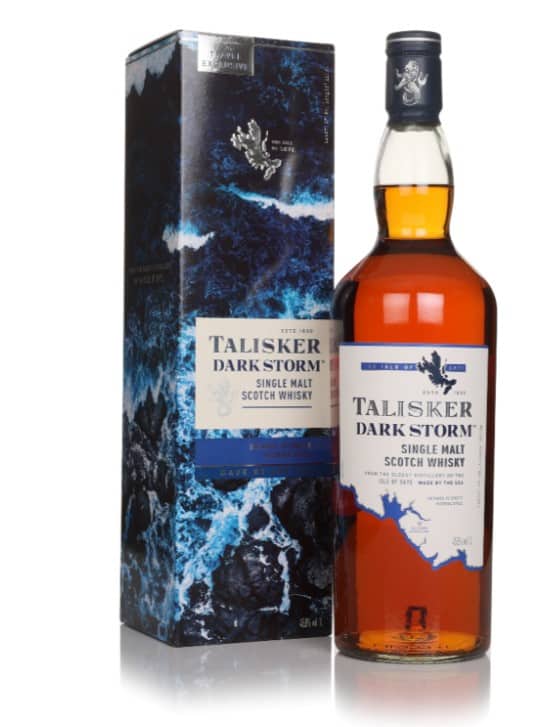
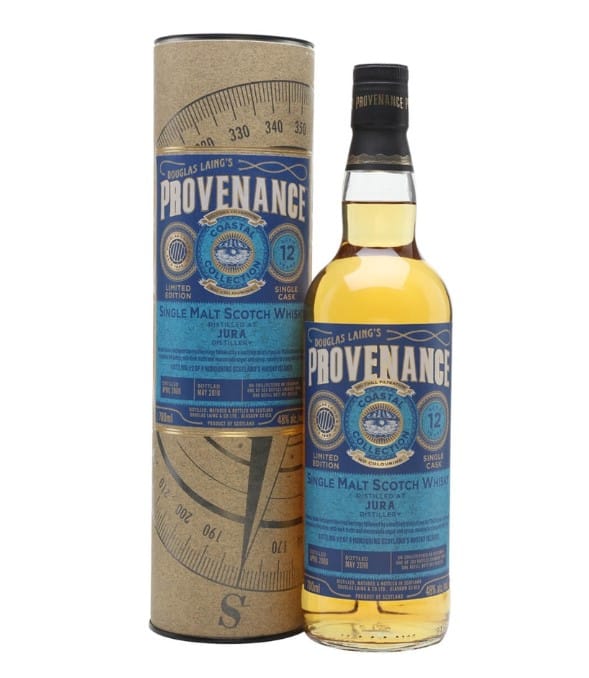
Finally, as you’re no doubt craving a salty, ocean-kissed dram of the good stuff (I know I am) here are 3 quick whiskies I can highly recommend for people who enjoy a strong maritime influence on their whisky.